

 EN

 English
 русский
 Français
 Español
 عربى
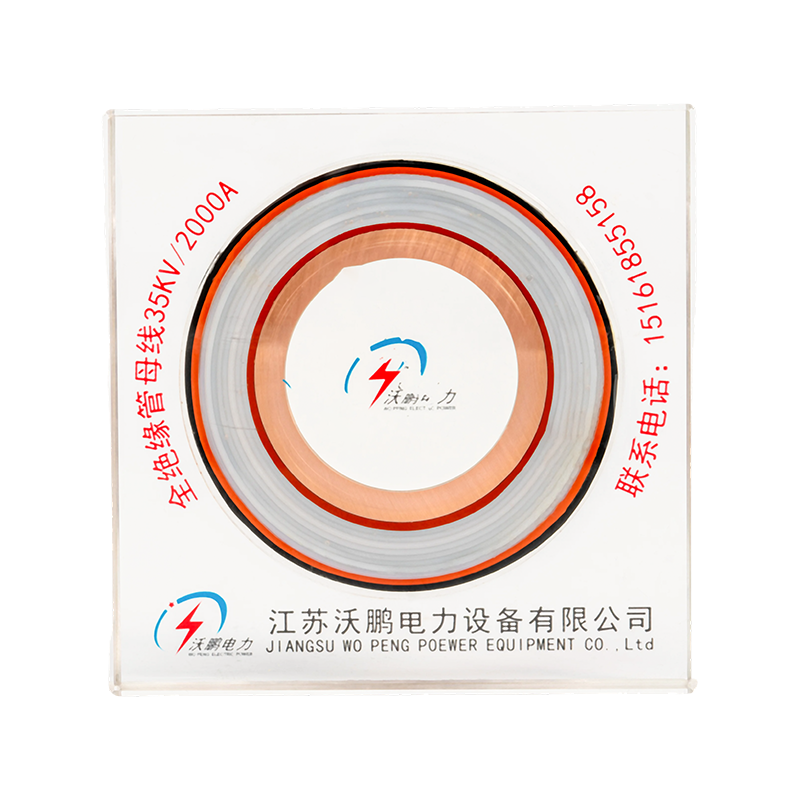
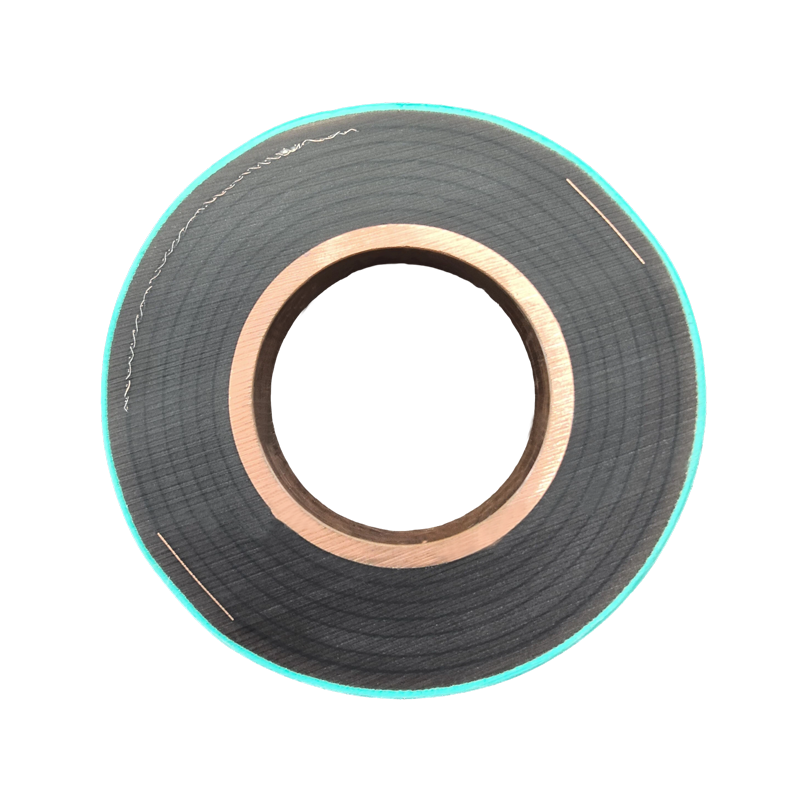
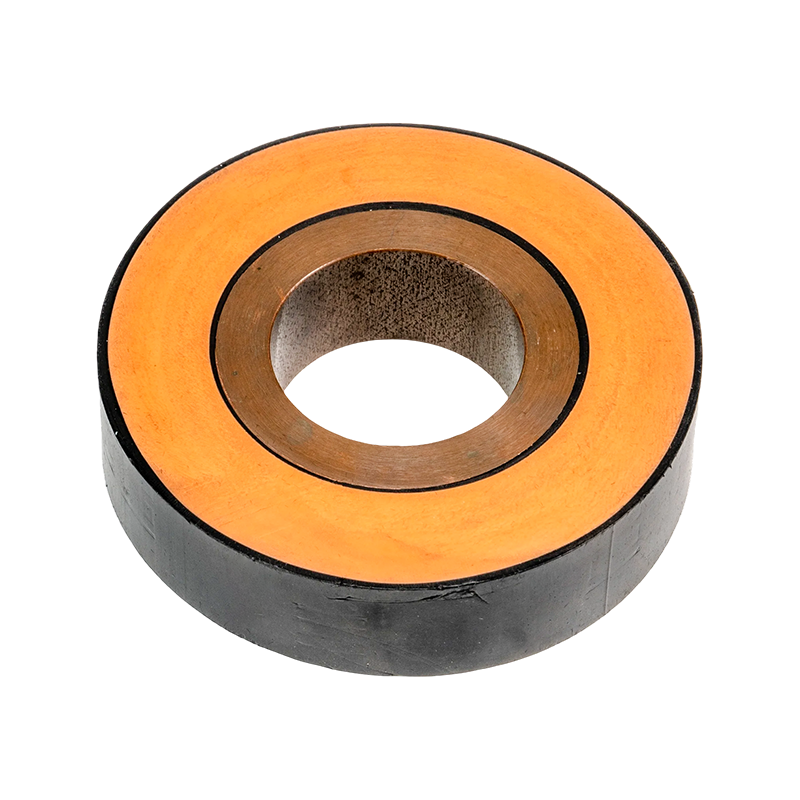
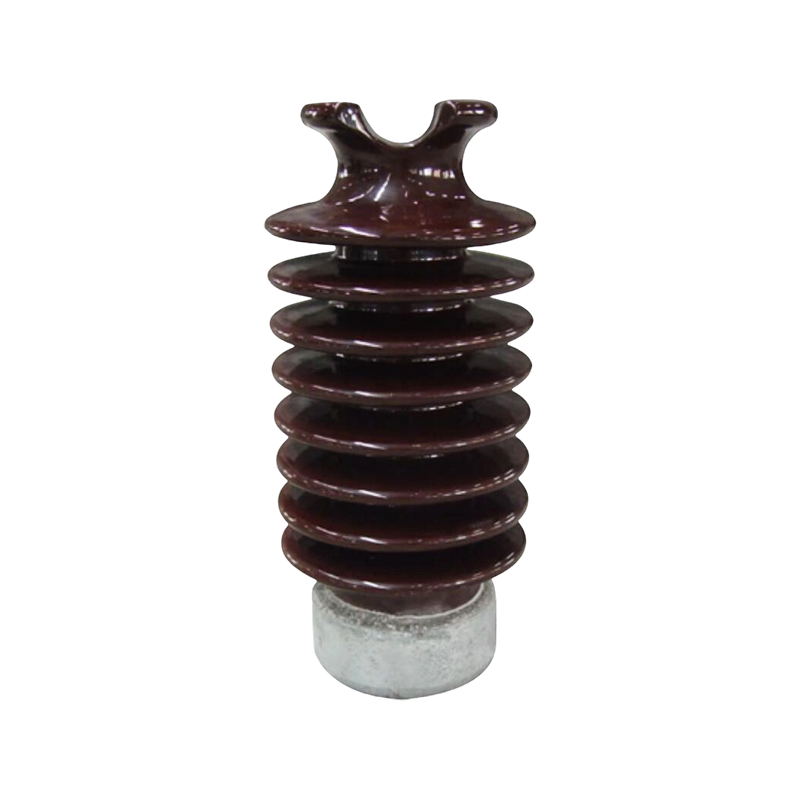
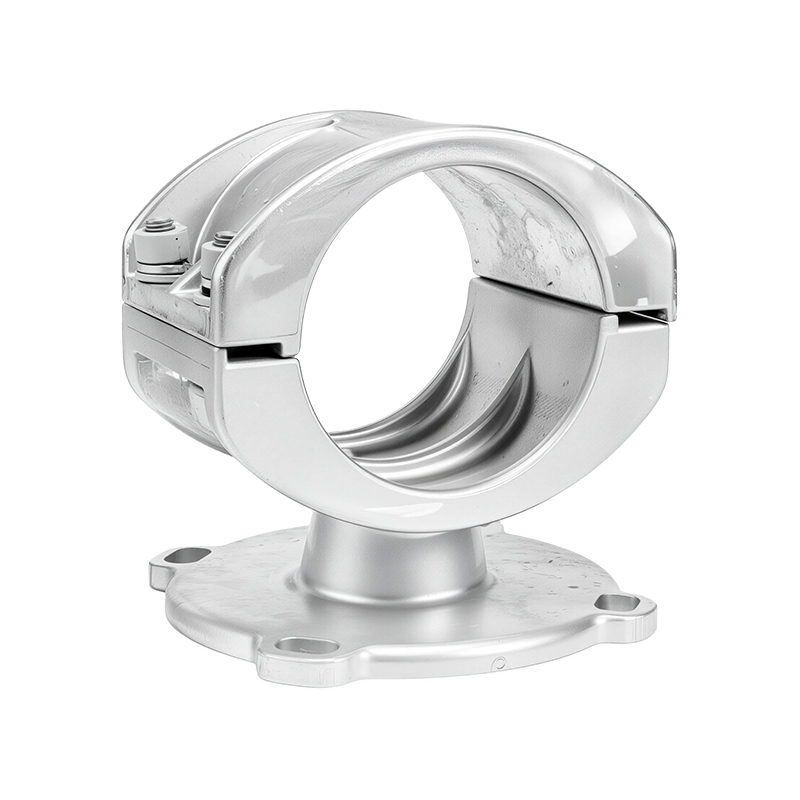
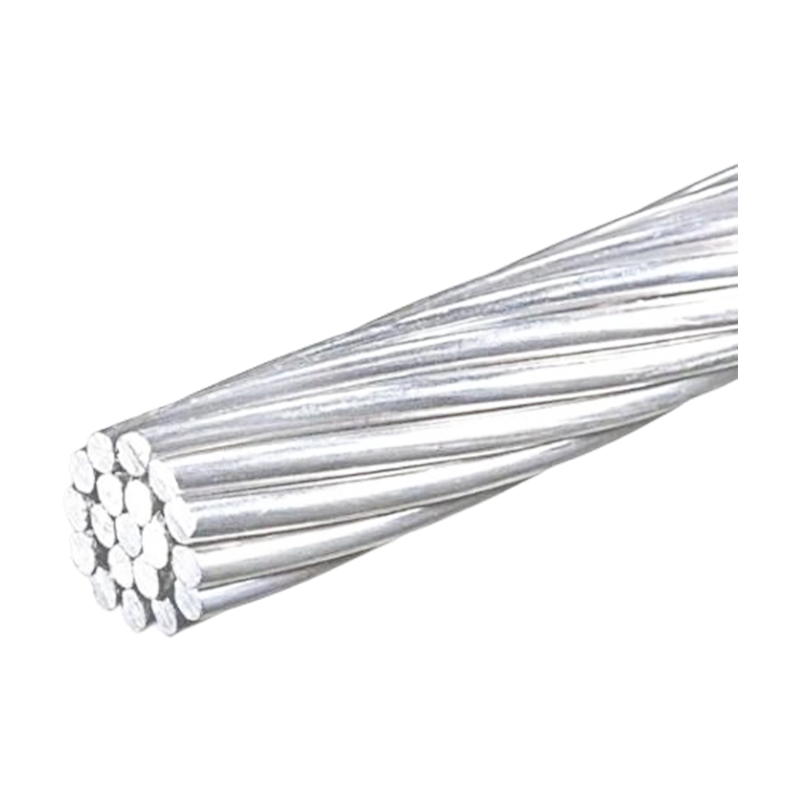
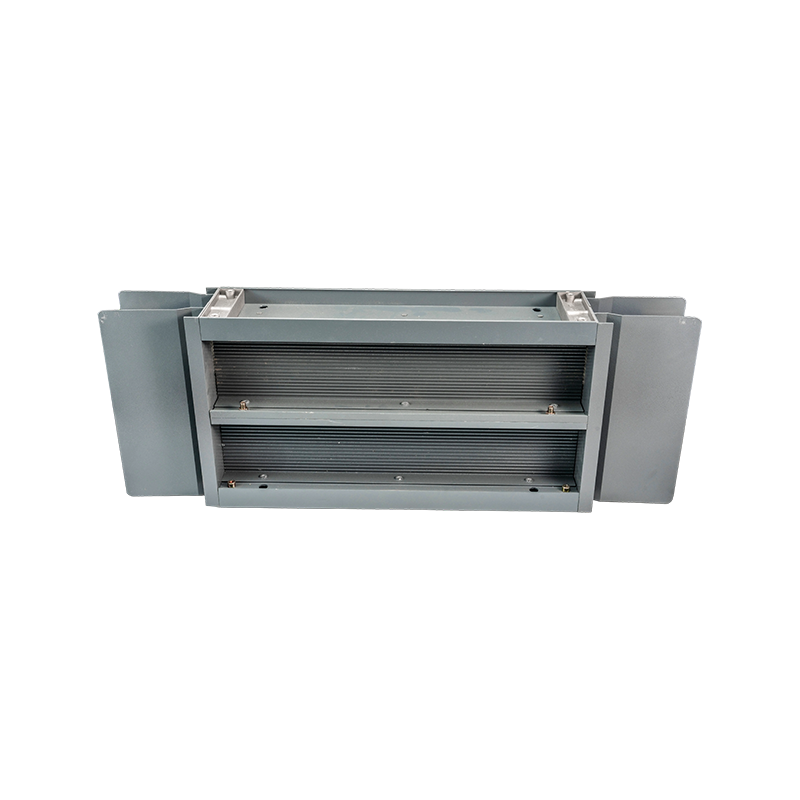
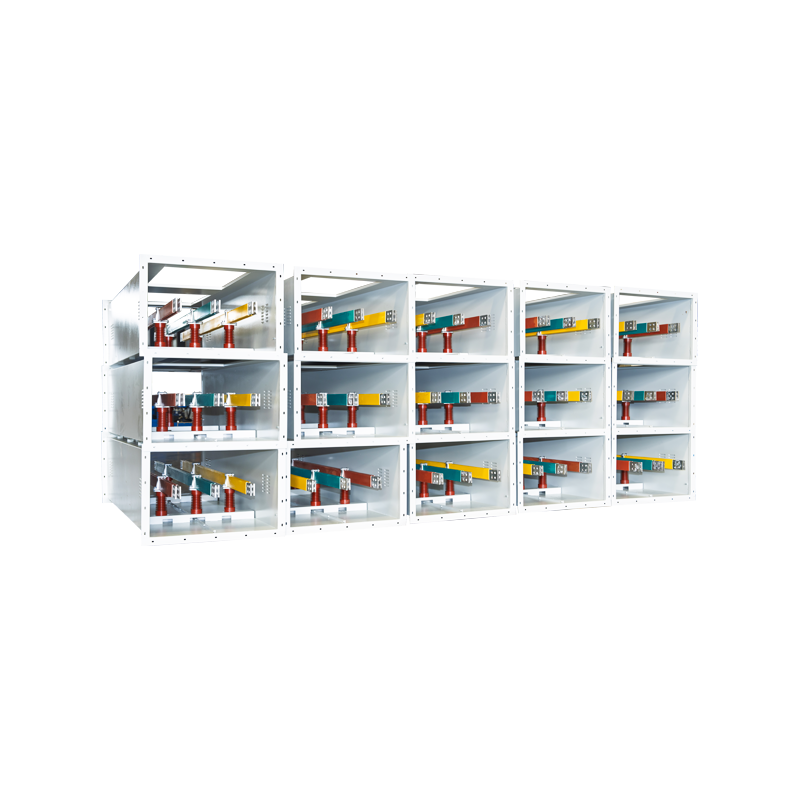
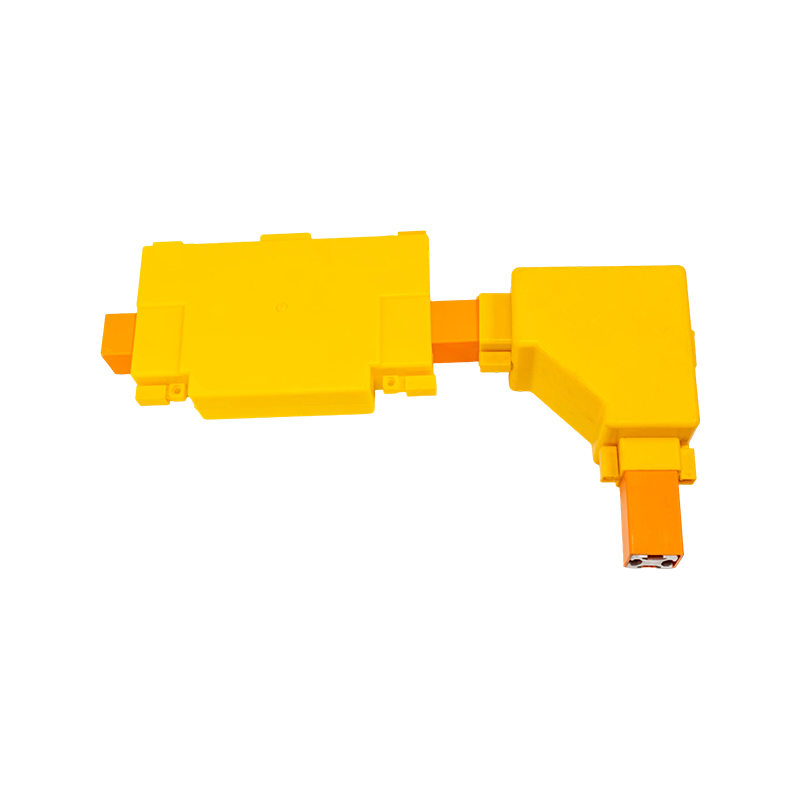

Ultra-High Voltage Magnesium-Aluminum Alloy Tubular Bus Bar: Design, Performance, Manufacturing, and Applications
Content
- 1 1. Product Overview
- 2 2. Why Tubular Busbars Are Important in Ultra-High Voltage Systems
- 3 3. Main Technical Advantages
- 3.1 3.1 High Electrical Conductivity
- 3.2 3.2 Low Weight and High Specific Strength
- 3.3 3.3 Large Current-Carrying Capacity
- 3.4 3.4 High-Temperature Performance
- 3.5 3.5 Mechanical Strength and Long-Span Capability
- 3.6 3.6 Corrosion and Weather Resistance
- 3.7 3.7 Corona Control and Electric Field Uniformity
- 3.8 3.8 Seismic and Vibration Resistance
- 4 4. Comparison with Conventional Busbar Materials
- 5 5. Advanced Manufacturing Processes
- 6 6. Insulation and System Compatibility
- 7 7. Applications
- 8 8. Quality Control and Testing
- 9 9. Manufacturing and Engineering Strengths
- 10 10. Design Considerations for Project Selection
- 11 11. Installation and Maintenance
- 12 12. Frequently Asked Questions
- 12.1 12.1 What is an ultra-high voltage magnesium-aluminum alloy tubular bus bar?
- 12.2 12.2 What voltage levels can the product support?
- 12.3 12.3 How much current can the tubular busbar carry?
- 12.4 12.4 Why is a tubular busbar lighter than a copper busbar?
- 12.5 12.5 Does the product have a weld seam?
- 12.6 12.6 Can it be used outdoors?
- 12.7 12.7 Is it suitable for offshore wind power?
- 12.8 12.8 Can the busbar operate at high temperatures?
- 12.9 12.9 What is the maximum support span?
- 12.10 12.10 How long can the product last?
- 12.11 12.11 What insulation systems are compatible with the conductor?
- 12.12 12.12 How should a manufacturer be evaluated?
- 13 13. Conclusion
- 14 References
- 15 Product: Ultra-high Voltage Magnesium-Aluminum Alloy Tubular Bus Bar
Ultra-high voltage power systems require conductive equipment that can carry very large currents while maintaining stable electrical, mechanical, and environmental performance. As transmission voltages increase, conventional busbar designs face growing challenges related to weight, heat dissipation, mechanical loading, corona control, installation span, and long-term outdoor exposure. The ultra-high voltage magnesium-aluminum alloy tubular bus bar is developed to address these challenges through a combination of optimized alloy chemistry, tubular geometry, advanced forming processes, and carefully controlled surface treatment.
This type of tubular bus bar is designed for demanding power transmission and transformation environments, including ultra-high voltage substations, generation plants, long-distance transmission connection points, industrial distribution systems, renewable energy facilities, rail transit projects, and specialized installations exposed to wind, vibration, salt fog, or large temperature changes. Its design combines the low density of aluminum with the improved strength and corrosion performance associated with optimized magnesium-aluminum alloy systems.
The product range can include 6063G aluminum-magnesium alloy, LF21Y aluminum-manganese alloy, 6R05 rare-earth aluminum alloy, and 2A14 heat-resistant aluminum alloy. These materials enable the tubular conductor to be configured for different electrical, structural, thermal, and environmental requirements. Depending on the project specification, the bus bar can be engineered for 220 kV, 500 kV, 750 kV, ±800 kV, and 1000 kV applications.
Unlike a simple solid conductor, a tubular bus bar is a complete conductive and structural solution. Its hollow profile can provide a favorable balance between electrical capacity, material consumption, rigidity, surface area, and heat dissipation. When combined with a full shielding design and appropriate support hardware, the system can help reduce electric field concentration, control corona, and improve the overall stability of high-voltage equipment connections.
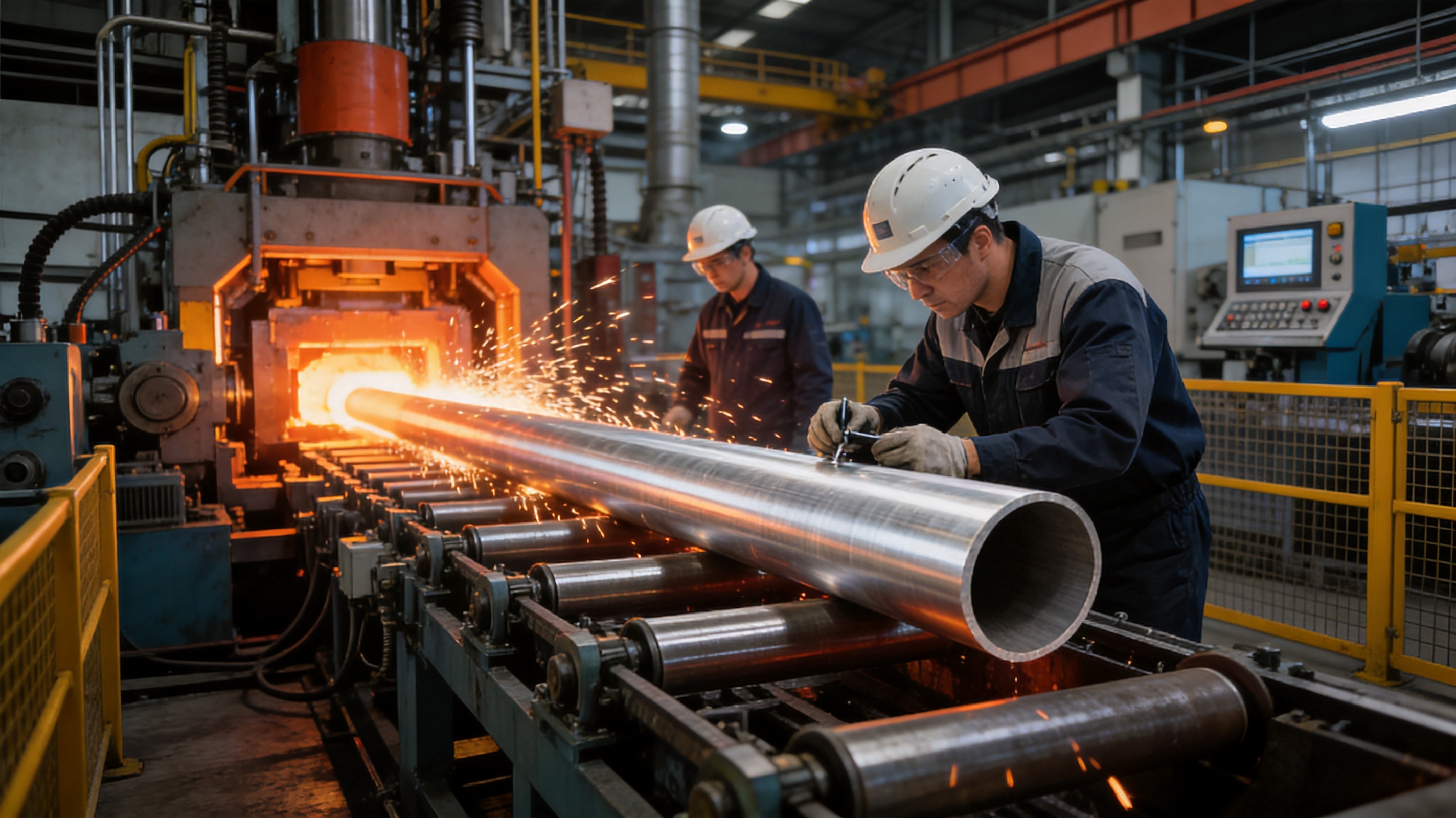
The manufacturing capability behind the product is equally important. Horizontal hot-top casting, transverse piercing hot rolling, thermomechanical treatment, and multipass cold drawing are used to produce a seamless tube with consistent dimensions and controlled microstructure. These processes help reduce the risks associated with weld seams, local defects, uneven wall thickness, and unstable mechanical properties.
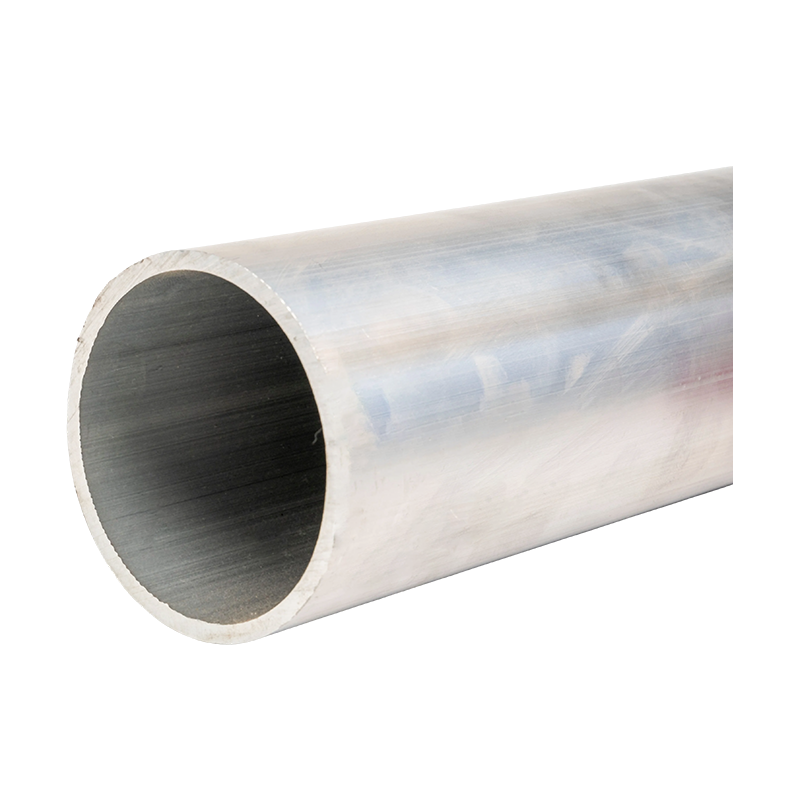
Ultra-high Voltage Magnesium-Aluminum Alloy Tubular Bus Bar
1. Product Overview
The ultra-high voltage magnesium-aluminum alloy tubular bus bar is a tubular conductor engineered for high-current and ultra-high voltage power transmission and distribution systems. It serves as an electrical connection between major power equipment such as transformers, generators, circuit breakers, disconnectors, converter stations, and transmission line interfaces.
The conductor is manufactured from a specially selected aluminum-based alloy containing magnesium, manganese, rare-earth elements, or heat-resistant alloying components according to the intended application. The alloy composition is optimized to balance conductivity, tensile strength, bending resistance, thermal stability, corrosion resistance, and manufacturability.
For ultra-high voltage systems, the conductor cannot be evaluated only by electrical conductivity. It must also withstand mechanical forces created by wind, short-circuit current, thermal expansion, vibration, transportation, installation, and long-term support loading. Its external surface must remain stable in rain, humidity, ultraviolet radiation, industrial pollution, salt fog, and freeze-thaw cycles. At the same time, the conductor geometry must support a predictable electric field and limit unwanted discharge activity.
The tubular configuration is particularly suitable for high-current systems because it provides a relatively large conductive cross-section with a controlled outer diameter. The hollow structure can reduce unnecessary material in the center of the conductor while preserving a high moment of inertia. This makes the tube lighter than an equivalent solid section with similar mechanical requirements and can simplify support design and installation handling.
1.1 Available Alloy Systems
6063G aluminum-magnesium alloy is suitable for applications that require a practical combination of conductivity, extrusion or forming performance, corrosion resistance, and structural strength. It can be selected for general tubular busbar requirements where balanced performance is more important than maximum heat resistance.
LF21Y aluminum-manganese alloy provides favorable corrosion resistance and mechanical stability. It can be used in applications where the busbar must maintain reliable performance under outdoor exposure or in environments where moisture and atmospheric contaminants are present.
6R05 rare-earth aluminum alloy incorporates rare-earth modification technology to improve material purity, grain structure, and selected mechanical or thermal properties. The refined microstructure can support dimensional stability and reliable performance in demanding applications.
2A14 heat-resistant aluminum alloy is intended for applications involving elevated operating temperatures and high current density. Its heat-resistant characteristics help the conductor maintain stable performance where continuous thermal loading is significant.
The final material selection should be based on the rated voltage, current, allowable temperature rise, support span, ambient conditions, short-circuit requirements, installation method, and applicable technical standards. A qualified manufacturer should review these factors before confirming the alloy, tube dimensions, surface treatment, and connection arrangement.
1.2 Typical Technical Range
Products in this category can be configured for rated voltage levels from approximately 500 kV to 1000 kV, with project-specific designs also covering 220 kV, 750 kV, and ±800 kV systems. The rated current can reach approximately 12,000 A depending on alloy grade, wall thickness, conductor diameter, cooling conditions, connection design, and system configuration.
Electrical conductivity may reach or exceed 60% IACS for suitable alloy and design combinations. Depending on the material and manufacturing condition, tensile strength can be approximately 180–250 MPa. A typical service temperature range may extend from approximately -40°C to 150°C, while specialized heat-resistant configurations can support higher conductor operating temperatures, potentially reaching 200°C under defined conditions.
These figures are general product-development ranges rather than universal values for every design. The actual guaranteed values should be confirmed in the technical data sheet, type test documentation, design calculation, and project acceptance specification.
2. Why Tubular Busbars Are Important in Ultra-High Voltage Systems
Ultra-high voltage systems transmit large amounts of electrical energy over long distances. The equipment used in these systems must limit energy loss, withstand high electrical stress, and maintain reliable operation during changing load and weather conditions. Busbars are central to this function because they distribute, collect, and transfer power between major pieces of equipment.
At higher voltage levels, a busbar is exposed to stronger electric fields. Uneven surfaces, sharp edges, connection irregularities, and unsuitable support arrangements can increase local field intensity and encourage corona discharge. Corona may produce audible noise, radio interference, ozone, surface deterioration, and gradual insulation stress. A properly designed tubular busbar system uses smooth geometry, controlled clearances, shielding components, and optimized fittings to maintain a more uniform electric field.
High current also produces heat. If the conductor cannot dissipate this heat effectively, its temperature will rise, increasing resistance and reducing operational margin. A tubular busbar provides a relatively large external surface area for convective cooling. Its geometry can also support a high current-carrying capacity without requiring the same mass as a solid conductor of equivalent mechanical performance.
Mechanical stability is another critical concern. Busbars installed in substations and power plants can experience wind pressure, electromagnetic forces during short circuits, thermal expansion, vibration, and support movement. A tubular profile has favorable bending stiffness and can support longer spans than many conventional arrangements when the complete system is properly engineered.
Reduced weight can benefit the entire installation. Lighter conductors may require less lifting capacity, smaller support structures, reduced foundation loading, and simpler transportation arrangements. They can also help lower the number or size of supporting insulators and structural frames, although the final support system must always be verified through mechanical calculations.
3. Main Technical Advantages
3.1 High Electrical Conductivity
Magnesium-aluminum alloy tubular busbars are designed to provide a strong balance between conductivity and mechanical strength. Aluminum-based alloys are substantially lighter than copper, while suitable alloy formulations preserve sufficient conductivity for high-current applications.
The conductor cross-section, alloy grade, operating temperature, surface condition, and connection structure all influence the final electrical performance. A carefully controlled manufacturing process helps maintain consistent conductivity along the full length of the tube. This is important because localized resistance increases can cause uneven heating and reduce the reliability of the complete busbar assembly.
High conductivity contributes to efficient power transmission and helps control resistive losses. In an ultra-high voltage substation or large power plant, even a small reduction in loss can produce meaningful savings over a long operating period. The benefit becomes more significant when the busbar operates continuously at high load.
3.2 Low Weight and High Specific Strength
One of the most visible advantages of an aluminum-based tubular busbar is its low density. The product can be substantially lighter than a copper busbar with comparable current-carrying and structural requirements. A typical design range may be approximately 8–12 kg per meter, while a comparable traditional copper busbar may weigh approximately 25–30 kg per meter. Actual values depend on dimensions and design conditions.
Weight reduction can simplify transportation, lifting, positioning, and alignment during installation. It can also reduce the structural load applied to support frames and foundations. For projects with long busbar runs or elevated structures, the reduction in dead load may provide important engineering flexibility.
The tubular shape also contributes to specific strength. Material is positioned away from the neutral axis, increasing bending resistance without requiring a solid center. This geometry can help the conductor resist deflection and vibration while maintaining a manageable mass.
3.3 Large Current-Carrying Capacity
The product is designed for high-current transmission and can be configured for current levels reaching approximately 12,000 A. Its current capacity depends on the electrical cross-section, permissible temperature, ambient temperature, air movement, installation elevation, spacing, surface condition, and connection components.
The smooth external surface and tubular shape support heat transfer to the surrounding environment. Convective cooling can help control temperature rise under continuous loading. Lower temperature rise can improve operational stability, reduce thermal expansion, and preserve connection performance.
For systems using high-temperature aluminum alloys, the conductor can maintain reliable operation at elevated temperatures. This provides additional operating margin during periods of peak demand, provided that the complete system—including joints, fittings, supports, and insulation—is rated for the same conditions.
3.4 High-Temperature Performance
High-temperature capability is important when a transmission or transformation system experiences heavy loading, emergency overloads, high ambient temperatures, or restricted cooling. The use of heat-resistant alloy formulations can improve the conductor’s stability under these conditions.
Some configurations are designed for operating temperatures of approximately 150°C, while specialized products may support temperatures up to approximately 200°C. High-temperature performance must be confirmed through material testing and thermal calculations. It should not be assumed solely from the alloy name.
Stable behavior at elevated temperatures helps reduce the risk of excessive sag, dimensional change, connection loosening, and accelerated material aging. It may also enable a project to achieve greater transmission capacity without increasing the external dimensions of the busbar.
3.5 Mechanical Strength and Long-Span Capability
The product offers tensile strength, bending resistance, and vibration resistance suitable for demanding installation conditions. A project-specific configuration may support a maximum span of approximately 8 meters, although the allowable span depends on tube diameter, wall thickness, support arrangement, wind load, ice load, seismic requirements, thermal expansion, and short-circuit forces.
Longer spans can reduce the number of supports and simplify the arrangement of a substation or power plant busbar system. Fewer supports may reduce installation labor, improve access for maintenance, and create a cleaner equipment layout. The span must nevertheless be verified using structural calculations and the relevant environmental load requirements.
The tube is manufactured with controlled dimensions and a consistent microstructure to reduce the likelihood of weak areas. Seamless construction eliminates the weld seam that can become a source of localized stress, corrosion, dimensional variation, or fatigue failure in unsuitable designs.
3.6 Corrosion and Weather Resistance
Outdoor busbars are exposed to rain, humidity, salt, industrial pollutants, ultraviolet radiation, temperature changes, and windborne particles. The aluminum-based alloy system offers natural corrosion resistance, while advanced surface treatment can further improve protection.
Corrosion resistance is especially important for offshore wind farms, coastal substations, salt fog environments, and high-altitude installations. A stable surface helps preserve the conductor’s electrical and mechanical performance. It also supports reliable contact at connection points when appropriate joint preparation and compatible fittings are used.
Anti-corrosion treatment should be selected according to the environmental classification of the project. Outdoor exposure, marine conditions, chemical contamination, and condensation may require different coating, oxidation, sealing, or protective measures. A reliable manufacturer should provide recommendations based on the actual site conditions.
3.7 Corona Control and Electric Field Uniformity
Ultra-high voltage busbars must manage electric field distribution carefully. The tubular conductor’s smooth circular profile helps avoid the sharp corners associated with flat or irregular conductive sections. When used with properly designed fittings and shielding components, the system can reduce local electric field concentration and limit corona activity.
A full shielding design can help create a more uniform electric field around the conductor and connection assembly. This is important for reducing corona discharge, audible noise, radio interference, and long-term surface deterioration.
Corona performance depends on more than the tube alone. The complete arrangement must consider conductor diameter, surface finish, end fittings, joints, support insulators, grading rings, clearances, and nearby grounded structures. Type testing and site-specific electric field calculations are therefore essential for critical applications.
3.8 Seismic and Vibration Resistance
Power facilities in seismic regions require busbars that can withstand movement and dynamic loading. The magnesium-aluminum alloy tubular busbar combines a rigid tubular structure with appropriate support and connection design to accommodate vibration and mechanical stress.
Its application can extend to wind power, rail transportation, industrial facilities, and other environments where repeated vibration may occur. The conductor itself is only one part of the seismic design. Flexible connectors, support insulators, expansion arrangements, and anchoring systems must be engineered as a complete assembly.
4. Comparison with Conventional Busbar Materials
Conventional copper busbars have excellent conductivity and are widely used in electrical systems. However, copper is heavy and can increase the load on supports, lifting equipment, and foundations. Copper costs may also be affected by raw material price fluctuations. For ultra-high voltage outdoor systems with long spans, the weight of copper can become a major design consideration.
Ordinary aluminum busbars are lighter and often more economical than copper. However, basic aluminum grades may not provide the same combination of high-temperature capability, mechanical strength, corrosion resistance, and dimensional stability required for particularly demanding ultra-high voltage applications.
Magnesium-aluminum alloy tubular busbars are designed to bridge these performance requirements. The alloy system improves mechanical strength and environmental performance while retaining the low-density advantage of aluminum. The tubular profile further improves structural efficiency and heat dissipation.
| Busbar Type | Approximate Weight | Power Loss Trend | Typical Voltage Capability | Main Considerations |
|---|---|---|---|---|
| Magnesium-aluminum alloy tubular busbar | Approximately 8–12 kg/m | Low when correctly designed | Up to approximately 1000 kV | Low weight, high specific strength, strong environmental adaptability, tubular heat dissipation |
| Traditional copper busbar | Approximately 25–30 kg/m | Medium to low | Commonly up to approximately 500 kV in comparable applications | Excellent conductivity but high density and greater structural loading |
| Ordinary aluminum busbar | Approximately 7–10 kg/m | Medium to high depending on design | Commonly used at lower voltage levels | Low weight, but alloy and structural performance may be more limited |
The values in this table are general comparison ranges and should not replace project-specific design calculations. Conductor diameter, wall thickness, alloy grade, operating temperature, current rating, support span, and environmental conditions can significantly influence the final results.
Compared with copper, the magnesium-aluminum alloy tubular design can reduce dead weight and simplify installation. Compared with ordinary aluminum busbars, it can provide improved strength, thermal stability, and resistance to demanding environmental conditions. Compared with flat or solid configurations, the tubular design can offer a better balance between rigidity, surface area, material efficiency, and electric field control.
5. Advanced Manufacturing Processes
5.1 Horizontal Hot-Top Casting
Material quality begins with casting. Horizontal hot-top casting technology is used to promote stable metal flow, improve melt cleanliness, and support uniform solidification. A controlled casting process helps limit inclusions, porosity, segregation, and other defects that may affect later forming or service performance.
For a high-voltage tubular conductor, internal material consistency is essential. Defects inside the billet may become more serious during piercing, rolling, drawing, bending, or machining. Careful control of alloy composition, melt temperature, casting speed, cooling conditions, and billet inspection helps establish a reliable foundation for the finished product.
The hot-top method can also support a more uniform microstructure. Consistent grain structure contributes to predictable mechanical properties and improves the repeatability of subsequent thermal and forming processes.
5.2 Transverse Piercing Hot Rolling
Transverse piercing hot rolling is used to create a hollow tubular form without relying on a longitudinal weld seam. The process transforms a solid billet into a seamless tube through controlled heating, piercing, elongation, and rolling.
The elimination of a weld seam is a major advantage for high-performance busbar applications. Welds may introduce differences in grain structure, residual stress, hardness, corrosion behavior, and dimensional accuracy. A seamless tube can provide more uniform mechanical performance around the full circumference.
Process parameters must be carefully controlled. Heating temperature, piercing speed, mandrel position, reduction ratio, rolling force, and cooling rate influence wall thickness, roundness, surface quality, and internal soundness. Proper control reduces eccentricity and helps create a stable tube suitable for precision finishing.
5.3 Thermomechanical Treatment
Thermomechanical treatment combines controlled deformation and heat treatment to optimize the alloy’s microstructure. The objective is to improve the balance between strength, ductility, conductivity, and dimensional stability.
Heat treatment may modify precipitates, relieve residual stress, and stabilize the material after forming. The exact schedule depends on the alloy grade and required properties. Excessive or insufficient heat treatment can negatively affect conductivity, strength, or dimensional stability, so furnace uniformity and process records are important.
A controlled thermomechanical process also supports repeatability from batch to batch. This is valuable for long busbar assemblies, because the conductor sections must have compatible mechanical and electrical properties during installation and operation.
5.4 Multipass Cold Drawing
Multipass cold drawing is used to improve dimensional accuracy, surface quality, straightness, and final tube geometry. Rather than attempting to achieve the final dimensions in one operation, the tube is reduced gradually through multiple controlled passes.
Incremental reduction helps limit excessive deformation and supports better control of wall thickness and diameter. Intermediate annealing or other process steps may be used when necessary to manage work hardening and preserve material ductility.
Cold drawing can produce a smooth, accurately dimensioned surface. This is important for electrical field control, joint fit, surface treatment, and the installation of fittings. Consistent tube geometry also improves alignment across long busbar sections.
5.5 Precision Machining and Surface Treatment
After forming, the tubular busbar may undergo cutting, end preparation, drilling, turning, deburring, cleaning, oxidation treatment, or other precision operations. The end geometry must be compatible with expansion joints, flexible connectors, terminal fittings, and installation hardware.
Surface treatment can improve corrosion resistance, support insulation adhesion, and provide a stable interface for protective layers. Special oxidation treatment may be used to address adhesion challenges between the conductor and insulation systems such as epoxy vacuum casting or PTFE wrapping.
Surface preparation must be uniform. Contamination, sharp edges, oil residues, and uneven treatment can reduce insulation bonding quality or create local electric field concentrations. Inspection of surface condition is therefore an important part of the production process.
6. Insulation and System Compatibility
The magnesium-aluminum alloy tubular busbar can be integrated with different insulation and protection systems depending on the application. Epoxy resin vacuum casting is suitable for applications requiring a solid, mechanically stable insulation structure. PTFE wrapping and related insulation methods can be selected for specific temperature, flexibility, or environmental requirements.
Compatibility between the conductor and insulation is essential. Aluminum-based surfaces naturally form an oxide layer, and this layer must be managed properly to achieve reliable adhesion. Special surface oxidation or preparation processes can improve the bond between the conductor and the insulation layer.
In a cast-resin design, the resin must fully surround the conductor without voids, cracks, or weak interfaces. Vacuum processing helps reduce trapped air and supports consistent encapsulation. The resin system must also be selected for the rated voltage, temperature, mechanical stress, environmental exposure, and partial discharge requirements of the application.
For wrapped insulation systems, the wrapping tension, overlap, cleanliness, curing process, and end sealing must be controlled. The insulation design should prevent moisture ingress and maintain stable dielectric performance over the expected service life.
The manufacturer should evaluate the complete insulation system through dielectric tests, insulation resistance tests, partial discharge tests where applicable, thermal tests, and environmental testing. The conductor, insulation, fittings, and support structures must be considered together rather than assessed as isolated components.
7. Applications
7.1 Ultra-High Voltage Substations
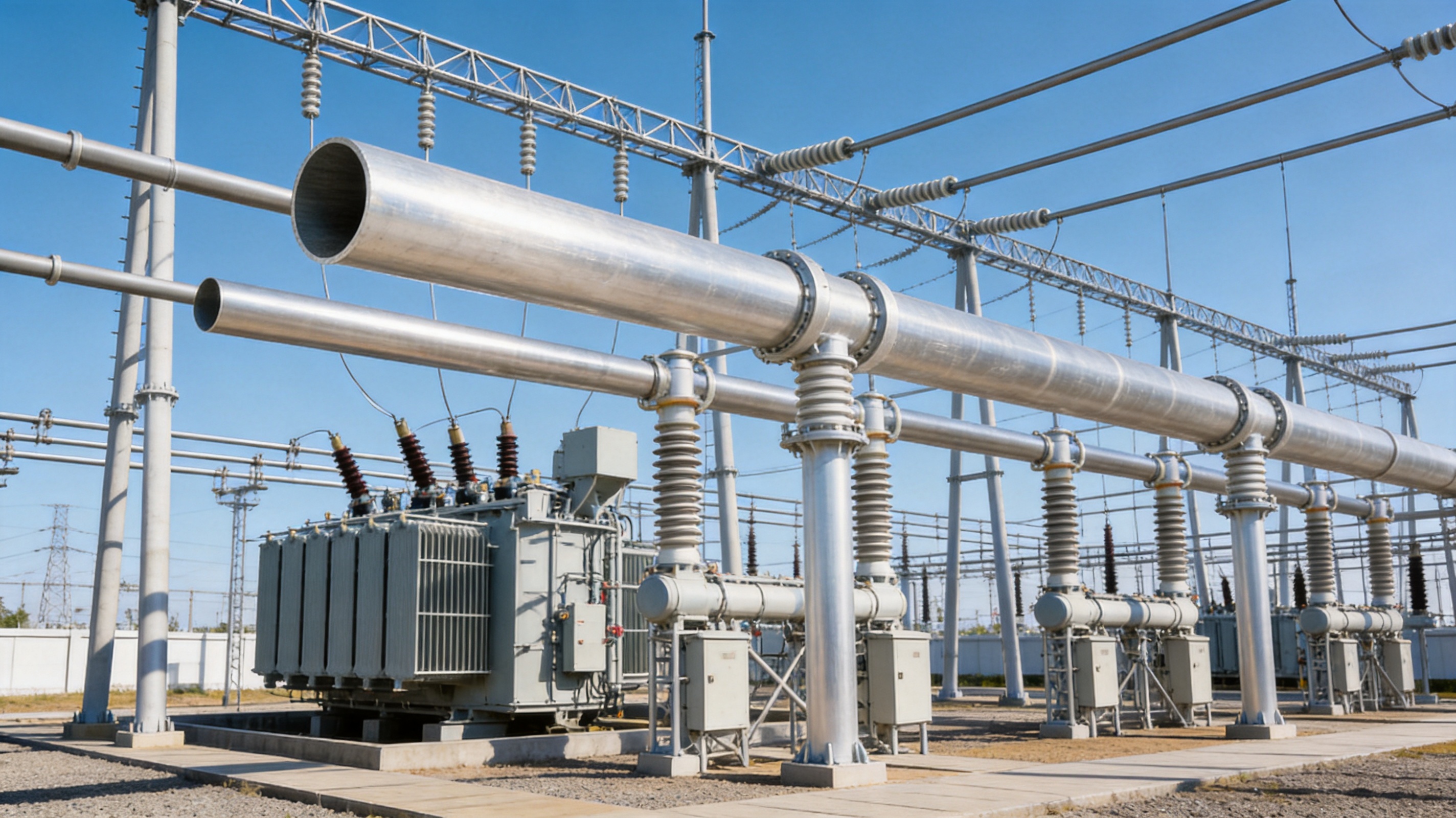
Ultra-high voltage substations are one of the primary applications for this product. Tubular busbars can connect transformers, circuit breakers, disconnectors, voltage transformers, current transformers, reactors, converter equipment, and outgoing transmission circuits.
The product is suitable for busbar sections where high current, controlled electric fields, low structural weight, and outdoor durability are required. Its tubular profile can support clean equipment layouts and longer spans between support points.
Substation designs must consider phase spacing, grounding clearance, corona control, thermal expansion, short-circuit forces, and maintenance access. The busbar manufacturer can provide dimensional drawings, support recommendations, connection details, and installation guidance for integration with the primary equipment layout.
7.2 Power Generation Plants
Hydropower stations, thermal power plants, nuclear-related auxiliary systems, wind farms, photovoltaic plants, and other generation facilities require conductors that can transfer generator output to transformers and grid connection equipment.
In generator connections and high-current output sections, tubular busbars can help manage current, temperature, and mechanical loading. For renewable energy projects, low weight and corrosion resistance are valuable because equipment may be installed on tall towers, remote sites, coastal platforms, or large outdoor collector systems.
Wind power installations can experience continuous vibration and changing mechanical loads. The tubular busbar system can be configured with suitable flexible connections and support structures to accommodate these conditions.
7.3 Long-Distance Transmission Connection Nodes
Long-distance transmission systems require stable connection points between lines, substations, converter equipment, and transformers. Reducing loss and maintaining reliable current transfer are important to the efficiency of the entire network.
The high conductivity and thermal performance of a magnesium-aluminum alloy tubular busbar can support efficient transfer at high load. Its lower weight can also simplify structural design at elevated connection points and large substations.
7.4 Industrial Power Distribution
Metallurgical plants, chemical facilities, mining operations, data centers, and other large industrial users often require high-capacity internal distribution systems. These facilities may have high continuous loads, severe vibration, corrosive atmospheres, or restricted installation space.
The tubular busbar can be designed for high-current connections between transformers, switchgear, rectifiers, furnaces, motors, and process equipment. Where chemical exposure is present, the surface treatment and material selection should be matched to the specific contaminants and humidity conditions.
7.5 Rail Transportation
Rail transit systems require reliable power distribution under vibration, repeated mechanical movement, and demanding maintenance schedules. Tubular busbars can be applied in traction substations, depot power systems, and high-current connection sections.
The product’s mechanical strength, vibration resistance, and compact structural arrangement can support applications where conventional heavy conductors or large support structures would be less convenient. Electrical clearances, insulation coordination, grounding, and access requirements must be carefully reviewed for each railway project.
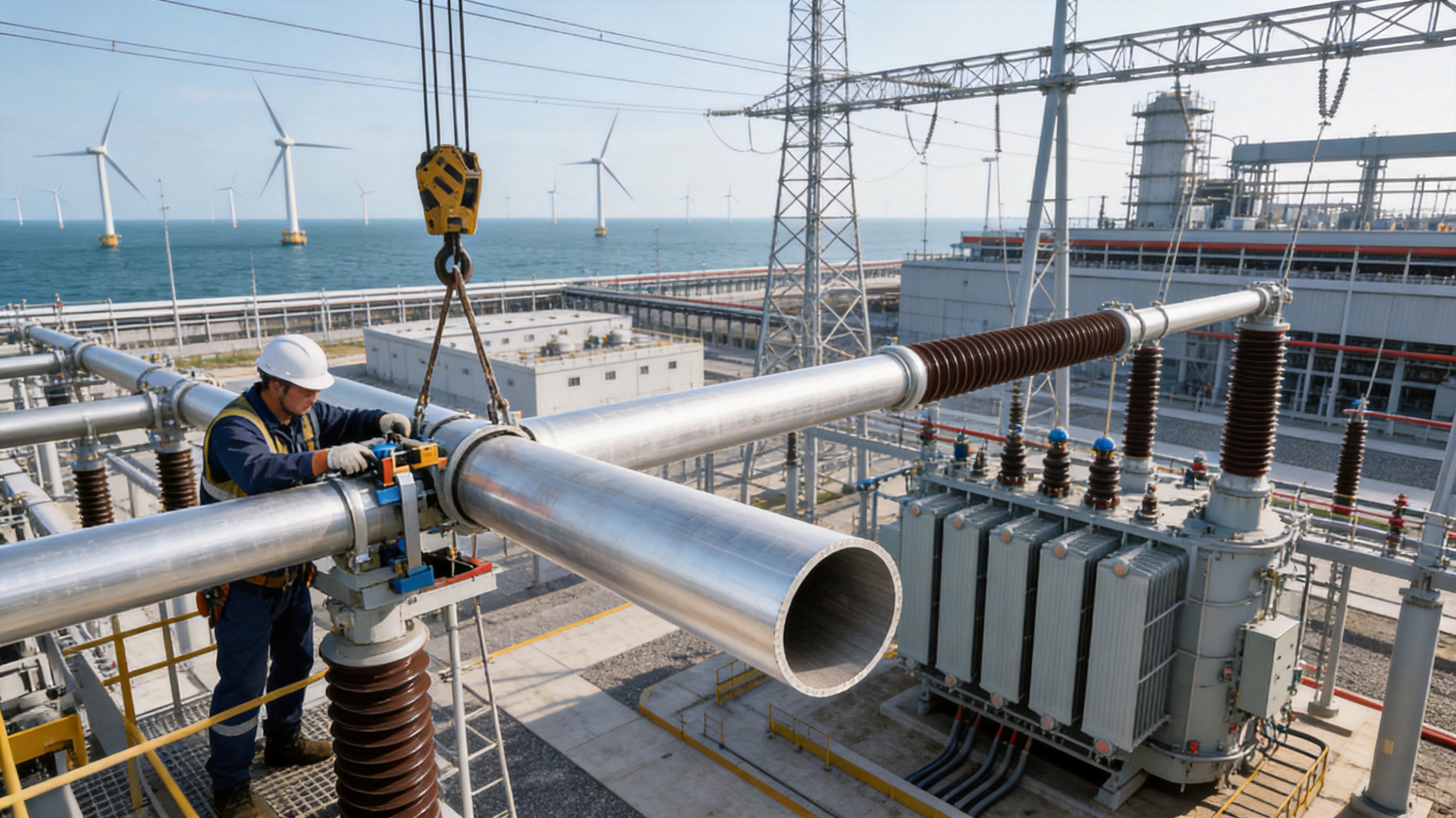
7.6 Offshore and Coastal Renewable Energy
Offshore wind farms and coastal substations are exposed to salt spray, high humidity, strong wind, and difficult maintenance conditions. Corrosion resistance and reliable sealing are especially important in these environments.
A magnesium-aluminum alloy tubular busbar with suitable surface protection can provide a lightweight and durable option for offshore electrical infrastructure. The system should be evaluated for salt fog, condensation, galvanic compatibility with fittings, and long-term coating or surface-treatment stability.
7.7 High-Altitude Power Stations
High-altitude stations may experience low air density, intense ultraviolet radiation, large temperature differences, and reduced cooling conditions. These factors influence insulation coordination, corona behavior, thermal performance, and material durability.
The product can be adapted for high-altitude projects through appropriate conductor dimensions, insulation clearances, surface treatment, and thermal calculations. The final design should account for the reduced dielectric strength of air and the actual site elevation.
8. Quality Control and Testing
Quality control for ultra-high voltage tubular busbars must cover raw materials, casting billets, forming operations, heat treatment, dimensional accuracy, surface condition, electrical performance, mechanical properties, insulation, and final assembly.
Raw material inspection may include chemical composition analysis, conductivity testing, tensile testing, hardness measurement, and metallographic examination. These tests help confirm that the alloy conforms to the specified grade and that the material is suitable for further processing.
During production, dimensional inspection should verify outside diameter, inside diameter, wall thickness, straightness, roundness, length, and end preparation. Non-destructive testing may be used to identify internal or surface defects. Process records should be maintained for casting, rolling, drawing, heat treatment, and surface treatment.
Electrical testing may include resistance measurement, insulation resistance testing, dielectric withstand testing, and partial discharge testing for insulated assemblies. Thermal testing can verify temperature rise under rated current and confirm the performance of joints and connection components.
Mechanical testing may include tensile testing, bending verification, vibration testing, support-span assessment, and short-circuit force evaluation. For outdoor installations, environmental testing can include salt fog, humidity, thermal cycling, ultraviolet exposure, and corrosion assessment where required by the project.
Third-party testing and independent laboratory collaboration can provide additional validation. Type test reports, routine inspection records, material certificates, and quality documentation are important when the busbar is used in critical infrastructure or high-voltage projects.
9. Manufacturing and Engineering Strengths
A capable manufacturer of ultra-high voltage tubular busbars must provide more than a finished metal tube. The supplier should have the engineering ability to select materials, calculate current capacity, analyze electric fields, verify mechanical loads, design joints, coordinate insulation, and support installation.
Jiangsu Wopeng Power Technology Co., Ltd. was founded in 2018 as a specialized high- and low-voltage busbar system manufacturer. Its product portfolio includes 35 kV epoxy resin vacuum-cast tubular busbars, low-voltage cast-resin busways, copper and aluminum tubular busbars, wind power tubular busbars, compact busbar systems, and sliding contact line systems.
The company serves power generation, substations, wind energy, industrial manufacturing, rail transit, and large commercial facilities. This range of applications gives its engineering team experience with different current levels, insulation arrangements, environmental conditions, and installation requirements.
Its production capabilities include vacuum casting systems, CNC machining equipment, and automated assembly technologies. These facilities support controlled manufacturing of conductors, insulating components, connection parts, and complete busbar assemblies.
A strict inspection system is used to evaluate high-voltage performance, insulation, mechanical properties, dimensional accuracy, and routine product quality. Cooperation with third-party testing institutions provides independent validation of safety and performance for selected products and projects.
The company’s products operate across more than 17 provinces and key industrial sectors. This application experience supports practical product development because feedback from operating projects can be used to refine material selection, installation details, maintenance recommendations, and quality-control procedures.
For customers requiring a customized tubular busbar system, engineering support can include product selection, drawing review, electrical parameter confirmation, support-span analysis, insulation coordination, connector design, installation guidance, and after-sales technical assistance. The objective is to deliver a complete solution rather than a standalone conductor section.
10. Design Considerations for Project Selection
Before selecting an ultra-high voltage magnesium-aluminum alloy tubular busbar, the project team should define the rated voltage and frequency, continuous current, short-time withstand current, peak withstand current, allowable temperature rise, installation altitude, ambient temperature range, pollution level, wind speed, ice loading, seismic requirements, support span, and expected service life.
The required conductor diameter and wall thickness should be determined through electrical, thermal, mechanical, and electric field calculations. Larger diameter does not automatically provide the best solution, because clearances, support design, fittings, transportation, and insulation coordination must also be considered.
The alloy should be selected according to the balance between conductivity, strength, temperature capability, corrosion resistance, and forming requirements. A heat-resistant alloy may be appropriate for high continuous loads, while a general aluminum-magnesium alloy may be more suitable for a balanced application.
Connection design is equally important. Joints must accommodate thermal expansion, maintain low contact resistance, withstand mechanical forces, and prevent moisture ingress. Flexible connectors may be needed where equipment movement or thermal displacement is expected.
Insulation and surface treatment should be selected according to the environment and voltage level. Offshore, coastal, chemical, and high-altitude applications may require enhanced protection. The manufacturer should confirm compatibility between the conductor surface, insulation material, sealants, fittings, and grounding system.
Project documentation should include general arrangement drawings, manufacturing drawings, material certificates, inspection plans, type test reports, routine test records, installation instructions, maintenance recommendations, and spare-parts information.
11. Installation and Maintenance
Proper installation begins with inspection of the delivered components. Tubes, fittings, insulation parts, support structures, and accessories should be checked for transport damage, deformation, contamination, moisture, and missing hardware.
During lifting, the tube should be supported at suitable points to prevent bending or local impact. Sharp contact with slings, temporary supports, or tools should be avoided. The installation team should use the lifting method specified in the manufacturer’s instructions.
Alignment is important for both electrical and mechanical performance. Incorrect alignment can place stress on joints, create uneven support loading, or reduce the effectiveness of electric field control components. Connection surfaces should be clean and prepared according to the specified procedure.
Bolted joints must be tightened to the required torque, while flexible connectors and expansion components must be installed in the correct orientation. Insulation surfaces should remain dry and free of dust, oil, metal particles, and other contaminants before assembly.
Maintenance inspections may include visual examination, thermal imaging, connection inspection, corrosion assessment, support and insulator checks, and monitoring for abnormal noise or discharge. In high-voltage installations, maintenance should be performed only by qualified personnel under approved safety procedures.
Regular inspection is particularly important in coastal, offshore, industrial, high-altitude, and high-vibration environments. Early detection of surface deterioration, loose hardware, contamination, or unusual temperature rise can prevent more serious failures.
12. Frequently Asked Questions
12.1 What is an ultra-high voltage magnesium-aluminum alloy tubular bus bar?
It is a seamless tubular conductor made from an optimized aluminum-based alloy system containing magnesium, manganese, rare-earth, or heat-resistant elements. It is designed for high-current and ultra-high voltage power transmission and distribution systems.
12.2 What voltage levels can the product support?
The product line can be designed for applications including 220 kV, 500 kV, 750 kV, ±800 kV, and 1000 kV. The exact voltage capability depends on conductor dimensions, insulation coordination, electric field control, fittings, support arrangement, and completed type testing.
12.3 How much current can the tubular busbar carry?
Depending on the alloy, dimensions, installation conditions, and thermal design, the rated current can reach approximately 12,000 A. The guaranteed current rating must be confirmed through project-specific calculations and testing.
12.4 Why is a tubular busbar lighter than a copper busbar?
Aluminum-based alloys have a lower density than copper, and the tubular profile places material efficiently around the neutral axis. This can reduce dead weight while preserving electrical and mechanical performance.
12.5 Does the product have a weld seam?
The product is manufactured through transverse piercing hot rolling and subsequent forming processes, creating a seamless tube. The absence of a longitudinal weld seam helps provide more uniform mechanical and corrosion performance around the conductor.
12.6 Can it be used outdoors?
Yes. The product can be used in outdoor substations, generation plants, wind farms, coastal facilities, and other exposed environments when the alloy, surface treatment, insulation, fittings, and sealing system are selected for the site conditions.
12.7 Is it suitable for offshore wind power?
It can be suitable for offshore wind power when designed with appropriate salt-fog resistance, corrosion protection, sealing, galvanic compatibility, mechanical strength, and vibration resistance. Offshore projects require additional environmental and maintenance assessment.
12.8 Can the busbar operate at high temperatures?
Depending on the selected alloy and design, the busbar may operate at approximately 150°C, with specialized heat-resistant configurations reaching approximately 200°C. The complete assembly, including joints and insulation, must be rated for the intended temperature.
12.9 What is the maximum support span?
A project-specific design may achieve a support span of approximately 8 meters. The actual allowable span depends on conductor dimensions, wind and ice loads, seismic conditions, short-circuit forces, thermal expansion, and support design.
12.10 How long can the product last?
With suitable material selection, surface treatment, installation, and maintenance, the expected service life can reach approximately 30–40 years under normal ultra-high voltage operating conditions. Severe environments may require enhanced protection and more frequent inspection.
12.11 What insulation systems are compatible with the conductor?
The conductor can be integrated with systems such as epoxy resin vacuum casting and PTFE wrapping. Surface oxidation or other preparation methods may be used to improve adhesion between the conductor and the insulation layer.
12.12 How should a manufacturer be evaluated?
Customers should review the manufacturer’s alloy control, seamless tube production capability, high-voltage type testing, quality system, engineering experience, project references, inspection documentation, customization capability, and after-sales technical support.
13. Conclusion
The ultra-high voltage magnesium-aluminum alloy tubular bus bar is a high-performance solution for modern power transmission and transformation systems. It combines the low density of aluminum, the improved strength of optimized alloy formulations, and the structural efficiency of a seamless tubular profile.
Its principal advantages include high conductivity, low weight, large current-carrying capacity, controlled temperature rise, high-temperature stability, mechanical strength, corrosion resistance, vibration resistance, and improved electric field uniformity. These characteristics make it suitable for ultra-high voltage substations, power plants, transmission connection nodes, industrial power systems, rail transit, offshore wind farms, and high-altitude facilities.
The product’s performance depends heavily on manufacturing quality. Horizontal hot-top casting establishes a clean and consistent billet. Transverse piercing hot rolling creates a seamless tube. Thermomechanical treatment refines the microstructure, while multipass cold drawing improves dimensional accuracy and surface quality. Precision machining, surface treatment, insulation compatibility, and complete system testing further contribute to long-term reliability.
Jiangsu Wopeng Power Technology Co., Ltd. combines busbar engineering experience with vacuum casting, CNC machining, automated assembly, high-voltage inspection, insulation testing, and mechanical verification capabilities. Its broad product portfolio and experience across power generation, substations, wind energy, industrial manufacturing, rail transit, and commercial facilities support customized busbar solutions for demanding applications.
For each project, the final design should be confirmed through electrical, thermal, mechanical, insulation, environmental, and installation calculations. When properly selected, manufactured, tested, and installed, the ultra-high voltage magnesium-aluminum alloy tubular bus bar can help power system operators achieve reliable transmission, reduced structural loading, efficient heat dissipation, and long-term operational stability.
References
1. International Electrotechnical Commission. High-Voltage Switchgear and Controlgear Standards: General Requirements and Test Principles.
2. International Electrotechnical Commission. Power Installations Exceeding 1 kV AC and Related Electrical Safety Requirements.
3. Aluminum Association. Aluminum Standards and Data: Wrought Aluminum Alloy Properties and Applications.
4. ASM International. Aluminum Alloy Phase Relationships, Heat Treatment, and Mechanical Properties.
5. CIGRE Technical Publications. Design and Performance Considerations for High-Voltage and Extra-High-Voltage Substation Conductors.
6. IEEE Standards Association. Guide for the Design and Testing of Substation Bus Systems.
7. ASTM International. Standard Practices for Aluminum Alloy Chemical Analysis, Mechanical Testing, and Corrosion Evaluation.
8. Manufacturer technical documentation for magnesium-aluminum alloy tubular busbars, high-voltage busbar systems, insulation assemblies, and related testing procedures.
Product: Ultra-high Voltage Magnesium-Aluminum Alloy Tubular Bus Bar




-
 +86-180 3625 3000
-
 admin@wpbusbar.com
-
 No. 8, Yanjin Road, Chengxi Industrial Park, Shanyang Town, Baoying County, Yangzhou City, Jiangsu Province, China
Copyright © Jiangsu Wopeng Power Technology Co., Ltd.
All Rights Reserved.
 Custom Insulated Bus Bar Manufacturer
Tubular Busbar System Factory