

 EN
EN

 English
 русский
 Français
 Español
 عربى
عربى
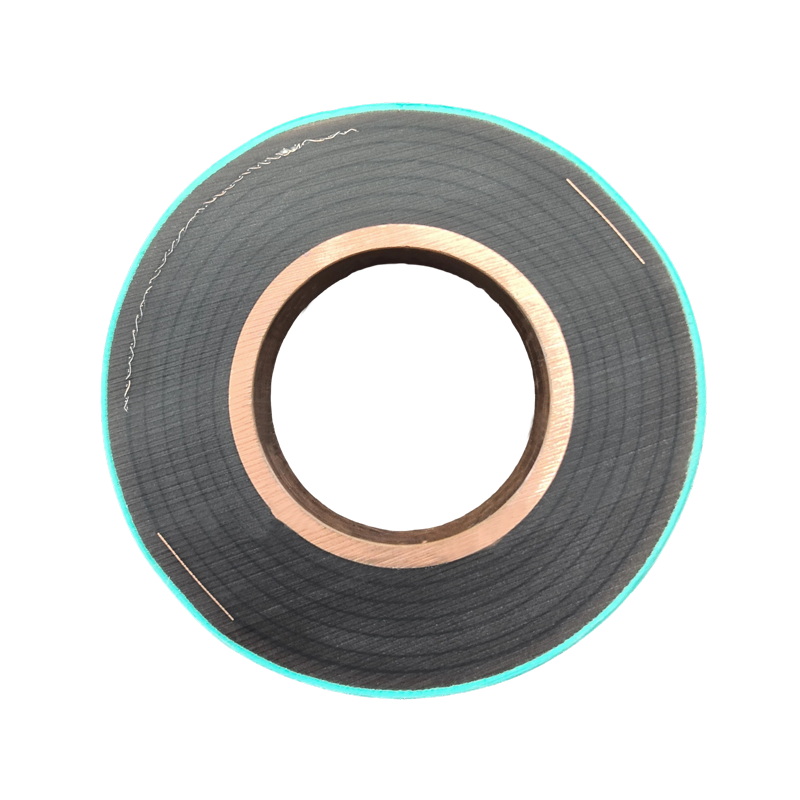
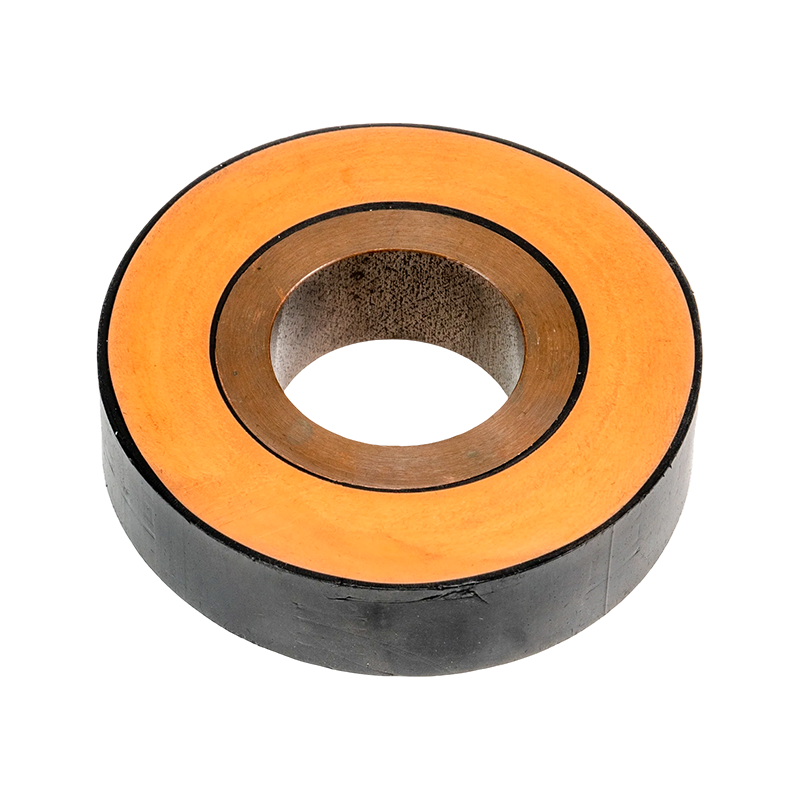
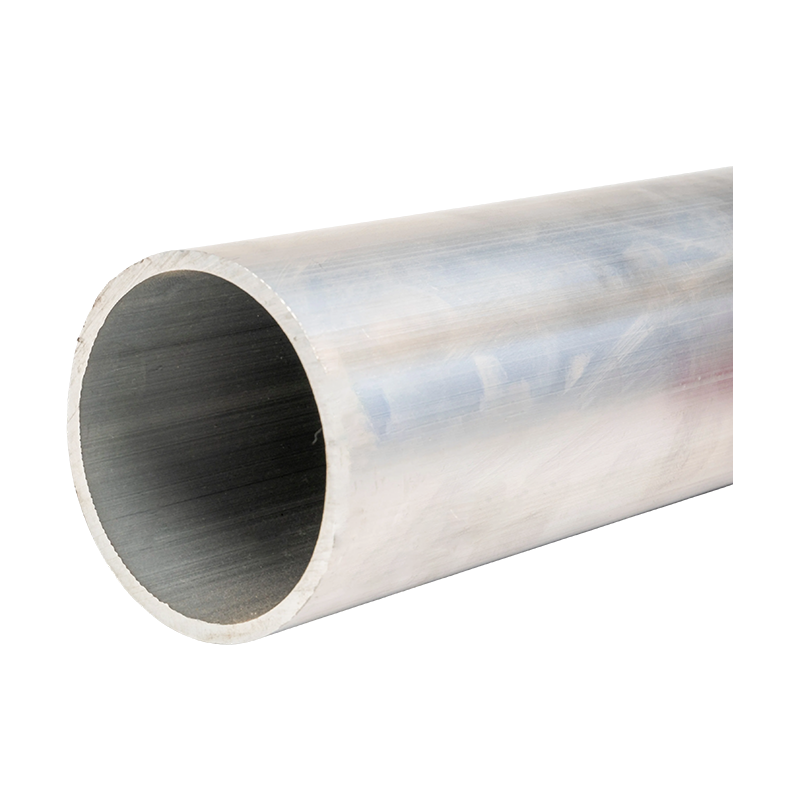


Reinforcing Steel Aluminum Strand: High-Strength Conductors for Reliable Power Transmission
Content
- 1 1. Understanding Reinforcing Steel Aluminum Strand
- 2 2. Standardized Technical Range
- 3 3. Advantages Compared with Conventional Conductors
- 4 4. Manufacturing Technology and Quality Control
- 5 5. Applications in Power Transmission and Distribution
- 6 6. Installation and Maintenance Recommendations
- 7 7. Why Manufacturing Strength Matters to Buyers
- 8 8. Selection Guide for Project Engineers
- 9 9. Comparison of Product Characteristics
- 10 10. Frequently Asked Questions
- 10.1 Q1: What is the primary purpose of the steel core?
- 10.2 Q2: Is the product suitable for long-span transmission lines?
- 10.3 Q3: What standards apply to the product?
- 10.4 Q4: How does conductivity compare with pure aluminum?
- 10.5 Q5: Can the strand be used in coastal areas?
- 10.6 Q6: What should be checked during installation?
- 10.7 Q7: Are special connectors required?
- 10.8 Q8: What does the cross-section notation 10/2 mm² mean?
- 10.9 Q9: How long are the delivered conductors?
- 10.10 Q10: How can the appropriate product size be selected?
- 10.11 Q11: Is the product used only in overhead transmission?
- 10.12 Q12: What manufacturing qualities should buyers prioritize?
- 11 11. Conclusion
- 12 References
- 13 Product: Reinforcing Steel Aluminum Strand
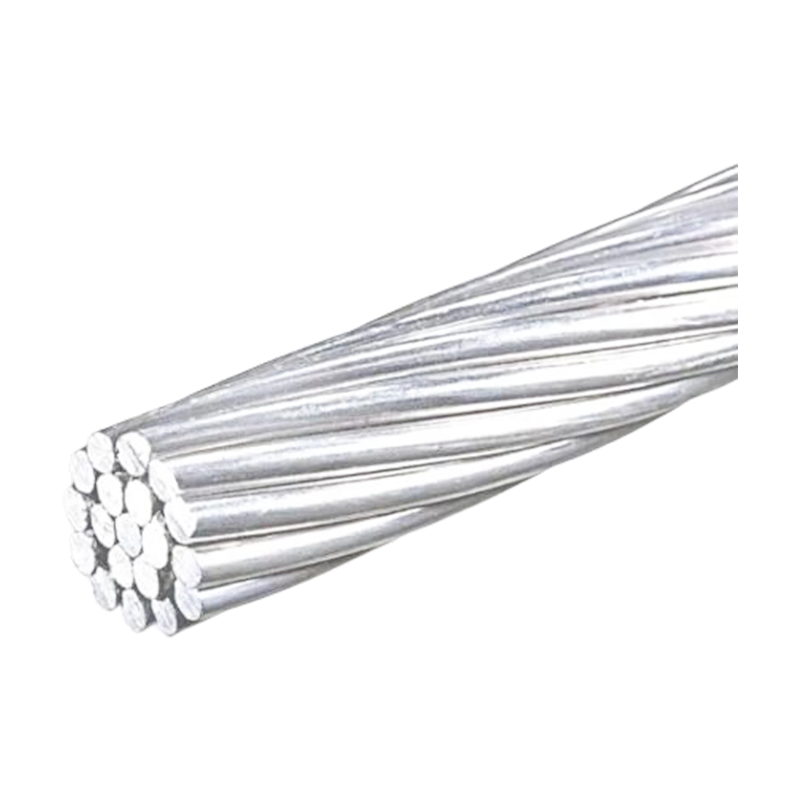
Modern power networks must transmit electricity efficiently while remaining mechanically stable under wind, ice, temperature changes, vibration, and long unsupported spans. A conductor that offers excellent conductivity but insufficient strength may experience excessive sag, fatigue, or mechanical damage. Conversely, a conductor with high mechanical strength but inadequate electrical performance can increase transmission losses and operating costs. Reinforcing Steel Aluminum Strand is designed to address both requirements through a composite structure that combines conductive aluminum strands with a mechanically strong steel core.
Manufactured in accordance with the GB1179-83 standard, this product is engineered for applications in overhead transmission, high-tension distribution, grounding, shielding, and specialized hardware connections. Its aluminum outer layers conduct electrical current, while the galvanized steel core supports the conductor mechanically. This division of functions gives the strand a practical balance of conductivity, tensile strength, installation flexibility, and environmental durability.
The product range covers nominal cross-sections from 10/2 mm² to 240/30 mm². Depending on the selected construction, the conductor may contain 6 to 30 aluminum strands surrounding 1 to 7 steel-core strands. Aluminum single-wire diameters range from 1.50 mm to 4.72 mm, while steel-core wire diameters range from 1.50 mm to 3.60 mm. These options enable engineers to select a suitable conductor according to current capacity, span length, mechanical loading, installation conditions, and project standards.
For projects that require dependable overhead conductors and carefully controlled mechanical performance, the product provides a standardized and practical solution. Jiangsu Wopeng Power Technology Co., Ltd. supports this product with experience in power transmission equipment, busbar systems, high-voltage products, manufacturing engineering, and quality inspection.
Reinforcing Steel Aluminum Strand
1. Understanding Reinforcing Steel Aluminum Strand
Reinforcing Steel Aluminum Strand is a stranded composite conductor consisting of conductive aluminum wires arranged around one or more steel-core wires. The aluminum portion forms the main current-carrying path, while the steel core provides tensile strength and structural support. This construction is commonly selected when an overhead conductor must carry electrical current while also resisting substantial mechanical loads.
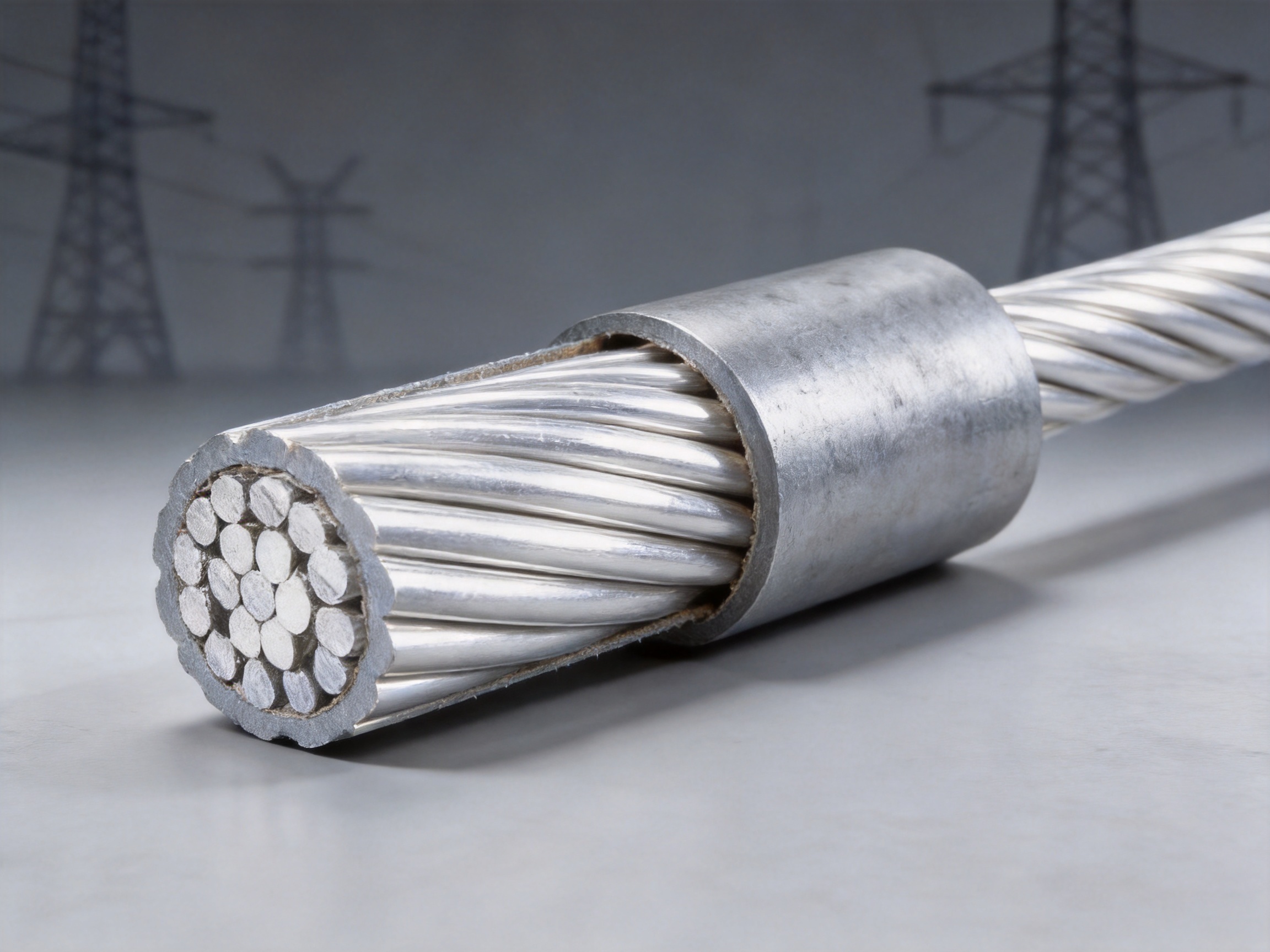
The product is sometimes described as a steel-reinforced aluminum conductor because its design is based on the cooperation of two different materials. Electrical-grade aluminum has a high conductivity-to-weight ratio and good resistance to atmospheric corrosion. Steel has considerably greater tensile strength than aluminum and helps the conductor maintain its shape and clearance when exposed to pulling forces, wind, ice, vibration, and its own suspended weight.
During operation, the aluminum strands are primarily responsible for electrical conduction. The steel core carries a significant proportion of the mechanical tension. This arrangement allows the conductor to achieve greater span capability than a comparable all-aluminum conductor while retaining a relatively favorable weight and electrical performance.
The strand is manufactured by arranging and helically applying aluminum wires around the steel core. The number, diameter, and arrangement of the wires determine the nominal cross-section, outside diameter, resistance, tensile strength, and weight. Because the construction is standardized, engineers can use documented parameters for line design, electrical calculations, sag-tension analysis, tower loading, and accessory selection.
1.1 Product Construction
The standard product range includes constructions formed by wrapping 6 to 30 aluminum strands around 1 to 7 steel-core strands. The combination of aluminum and steel is selected according to the required performance category. A larger aluminum cross-section generally supports greater current-carrying capacity, while a larger steel-core proportion increases mechanical strength and resistance to sagging under tension.
The aluminum strands are produced from electrical-grade aluminum with a stated purity of at least 99.7 percent. Through controlled processing and annealing, the aluminum is prepared to provide conductivity above 61 percent IACS under the specified material conditions. The steel core is galvanized to improve resistance against corrosion, with the zinc coating weight controlled according to the applicable standard requirement of at least 300 g/m².
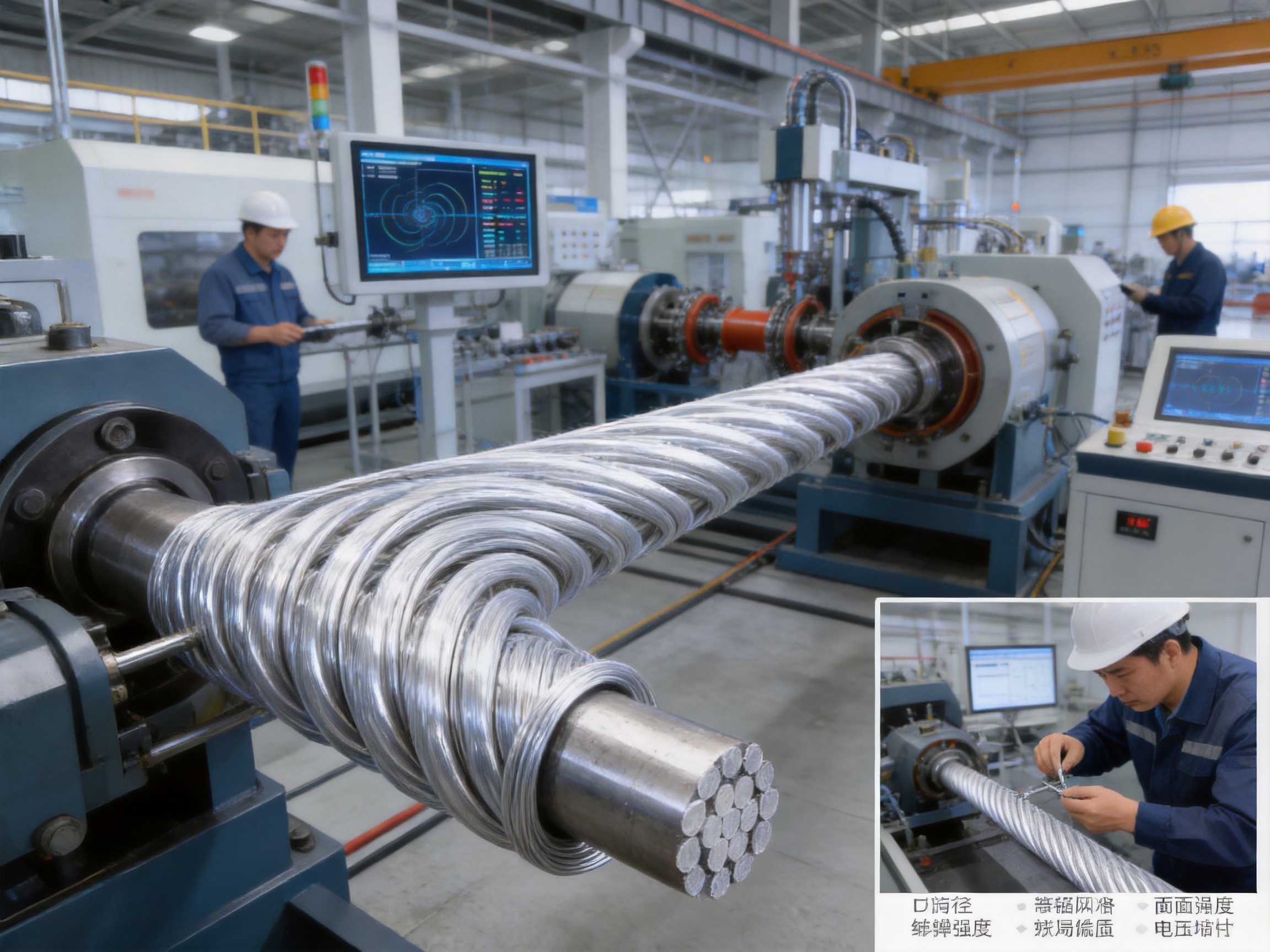
Layered stranding technology ensures that the aluminum wires remain consistently positioned around the steel core. The stranding pitch, wire tension, pre-twisting, and final diameter are controlled during production. These factors are important because inconsistent stranding may lead to uneven stress distribution, loosened wires, dimensional variation, or difficulty during installation.
1.2 Role of the Aluminum Layer
The aluminum layer provides the main conductive area of the product. Aluminum is widely used in overhead power systems because it combines useful conductivity with low density and good resistance to atmospheric exposure. Compared with copper, aluminum allows a conductor to achieve a lower weight for a similar current-carrying objective, although the required cross-section and system design must be evaluated carefully.
The outer aluminum strands also provide a protective surface around the core. In normal atmospheric conditions, aluminum develops a thin oxide film that helps limit further surface attack. The product can therefore be used in many industrial and outdoor environments, provided the conductor, fittings, and installation practices are correctly selected for local conditions.
1.3 Role of the Steel Core
The steel core gives the strand the tensile strength required for long spans and high mechanical loading. It helps the conductor withstand installation tension, wind pressure, ice loading, vibration, and the continuous force created by its own weight. Without reinforcement, an aluminum-only conductor of similar electrical capacity may require a larger cross-section or shorter support spans to control sag and mechanical stress.
The steel core does not serve as the primary current-carrying element. Instead, it functions as the structural backbone of the conductor. Galvanizing provides an additional layer of protection, helping the steel resist corrosion during storage, installation, and operation. Correct compression fittings and installation methods remain essential because electrical and mechanical connections must be compatible with the composite aluminum-steel construction.
2. Standardized Technical Range
A major advantage of the product is its clearly defined technical range. The nominal cross-section extends from 10/2 mm² to 240/30 mm², offering options for different transmission and distribution requirements. The first value generally identifies the aluminum portion, while the second identifies the steel-core portion. Exact construction, resistance, strength, and weight should be confirmed against the selected product drawing and applicable purchasing specification.
| Technical Item | Product Range or Requirement | Engineering Significance |
|---|---|---|
| Applicable standard | GB1179-83 | Provides a standardized basis for construction and technical inspection |
| Nominal cross-section | 10/2 mm² to 240/30 mm² | Supports selection for different current and mechanical requirements |
| Aluminum strand count | 6 to 30 wires | Determines conductive area, diameter, and construction category |
| Steel-core strand count | 1 to 7 wires | Influences mechanical strength and structural stability |
| Aluminum wire diameter | 1.50 mm to 4.72 mm | Supports standardized dimensional selection |
| Steel-core wire diameter | 1.50 mm to 3.60 mm | Contributes to tensile strength and core construction |
| Calculated cross-sectional area | 12.37 mm² to 275.96 mm² | Provides a basis for electrical and mechanical calculations |
| Outside diameter | 4.50 mm to 21.60 mm | Important for fittings, clearances, and aerodynamic considerations |
| DC resistance | Not exceeding approximately 2.706 Ω/km to 0.1410 Ω/km, depending on size | Used to evaluate voltage drop and transmission losses |
| Calculated tensile strength | Approximately 4,012 N to 91,120 N | Supports sag-tension and installation design |
| Calculated weight | Approximately 42.9 kg/km to 964.2 kg/km | Used for tower loading, reel selection, and logistics |
| Typical delivery length | Generally less than 2,000 m | Supports controlled handling, packaging, and construction planning |
The values in the table represent the stated product range rather than a single conductor specification. A project designer should select the exact construction according to current, operating temperature, span length, wind region, ice loading, short-circuit conditions, tower geometry, and accessory requirements. Customized technical documentation can be prepared for projects requiring particular electrical or mechanical values.
2.1 Electrical Performance
Electrical performance is evaluated through parameters such as direct-current resistance, conductivity, current capacity, and thermal behavior. The product is designed so that its aluminum component provides an efficient current path while the steel core contributes relatively little to normal current conduction. The stated resistance range extends from values not exceeding approximately 2.706 Ω/km for smaller constructions to approximately 0.1410 Ω/km for larger constructions.
Actual operating performance depends on conductor size, ambient temperature, solar radiation, wind speed, installation arrangement, and permissible conductor temperature. Engineers must therefore use the exact technical data for the selected construction when calculating voltage drop, power loss, ampacity, and thermal limits.
For high-frequency conditions, the stated skin-effect coefficient is below 1.05, and the increase in AC resistance is controlled within 8 percent under the described test conditions. These characteristics may be relevant in systems where alternating-current behavior, conductor temperature, or transient loading must be evaluated carefully.
The product is also described as having a short-circuit thermal capacity reaching 150 kA²·s under the applicable test or calculation conditions. After 100 thermal cycles, the reported reduction in conductivity does not exceed 2 percent. These values indicate a focus on maintaining stable electrical characteristics during repeated thermal loading, although final short-circuit calculations must always use the actual conductor design and project protection settings.
2.2 Mechanical Performance
Mechanical reliability is one of the most important reasons for using a steel-reinforced aluminum construction. The calculated tensile strength range extends from approximately 4,012 N to 91,120 N across the available product sizes. Larger conductors with greater steel-core content generally provide increased mechanical capability, but selection must be based on the complete sag-tension calculation rather than tensile strength alone.
The conductor is manufactured with controlled stranding pitch ratios intended to distribute stress consistently among the individual wires. A controlled pre-twisting process helps prevent loosening during handling and operation. These measures are important for preserving the roundness, stability, and mechanical integrity of the finished strand.
The product information states that creep deformation under long-term operating loads is limited to within 0.05 percent under the specified conditions. It has also been evaluated through a wind-induced vibration fatigue test involving two million cycles. Such testing is significant because conductors installed in open environments may experience repeated oscillations caused by wind, turbulence, and interaction with support hardware.
Although the strand is designed for demanding conditions, installation tension must remain within the approved limits. Excessive pulling force, improper bending, unsuitable clamps, or poorly fitted connectors may damage the aluminum strands or affect the steel core. Correct installation is therefore part of the product’s long-term performance.
3. Advantages Compared with Conventional Conductors
3.1 Higher Strength than All-Aluminum Conductors
The most direct advantage over standard all-aluminum conductors is the presence of the steel core. Aluminum-only conductors can provide good conductivity and low weight, but they may be less suitable for long spans, high tension, heavy ice, or strong wind. The reinforced construction improves tensile performance and allows designers to control sag more effectively.
Reduced sag may improve electrical clearance between the conductor and the ground, buildings, vegetation, and adjacent circuits. In some projects, the higher strength also permits longer spans between support structures. This may reduce the number of towers, poles, foundations, and associated civil works required for a line route.
3.2 Better Balance than Steel-Only Conductors
A steel-only wire provides mechanical strength but is not an efficient primary conductor for normal power transmission. The aluminum outer layers in Reinforcing Steel Aluminum Strand provide a much more effective current-carrying surface while the steel core remains dedicated to mechanical reinforcement. This division of functions produces a more useful balance of conductivity, weight, and strength than a steel-only alternative.
3.3 Favorable Strength-to-Weight Performance
The product’s calculated weight range is approximately 42.9 kg/km to 964.2 kg/km, depending on construction. Although reinforced conductors are heavier than some all-aluminum designs, the additional weight is accompanied by a substantial improvement in mechanical capability. For long-span projects, the increased strength may deliver a better overall system solution than selecting a much larger all-aluminum conductor.
Lower structural demands can also influence transportation, support design, and installation planning. However, every project must evaluate conductor weight together with span length, tower configuration, wind pressure, ice loading, and required safety factors.
3.3 Resistance to Weather-Related Loading
Overhead conductors are exposed to changing weather. Wind can create continuous vibration and transverse loading, while ice can add considerable weight and increase the effective diameter of the conductor. The composite design helps the strand withstand these conditions without unacceptable elongation or breakage.
The product has been evaluated within a temperature range of -40°C to +80°C under the stated environmental testing program. It is also described as capable of withstanding an ice coating load of 30 mm. These characteristics make it suitable for project environments where seasonal temperature variation, icing, and mechanical weather loads must be considered.
3.4 Corrosion Protection
The aluminum outer layer offers useful atmospheric corrosion resistance, and the galvanized steel core provides protection for the internal steel component. The product information reports retention of more than 95 percent of tensile strength after 5,000 hours of salt-spray testing. It also reports no significant surface degradation after 5,000 hours of ultraviolet aging under the specified conditions.
These results support use in industrial, coastal, and outdoor environments, but they do not eliminate the need for project-specific corrosion assessment. Coastal salt, chemical pollution, dissimilar-metal connections, standing water, and damaged galvanizing can all influence service life. Proper fittings, drainage, inspection, and maintenance remain necessary.
3.5 More Predictable Engineering Selection
Another important advantage is the availability of standardized parameters. Engineers can compare cross-sectional area, diameter, resistance, tensile strength, and weight before ordering. This is more reliable than selecting a conductor based only on nominal current capacity or approximate dimensions.
A standardized product also simplifies communication between the designer, manufacturer, contractor, and inspection organization. When the conductor is specified by construction, standard, and performance requirements, the risk of receiving a product with unsuitable dimensions or mechanical characteristics is reduced.
4. Manufacturing Technology and Quality Control
Product performance depends not only on material selection but also on manufacturing accuracy. A high-quality reinforced aluminum strand must maintain consistent wire diameter, stable stranding geometry, adequate surface condition, reliable galvanizing, and uniform mechanical properties throughout the delivery length. Jiangsu Wopeng Power Technology Co., Ltd. combines material control, precision processing, stranding technology, and standardized inspection to support these objectives.
4.1 Material Preparation
The aluminum material is selected for electrical-grade applications, with purity of at least 99.7 percent as stated for the product. Material inspection helps confirm chemical composition, surface condition, and suitability for drawing and stranding. Controlled annealing is used to develop the required balance between conductivity and workability.
The steel core is galvanized to improve corrosion resistance. Zinc coating weight, surface continuity, wire diameter, and mechanical properties are checked according to the applicable manufacturing requirements. A consistent coating is especially important because the steel core is located inside the conductor and cannot be easily inspected after final stranding.
4.2 Wire Drawing and Dimensional Control
Wire drawing reduces the raw material to the required diameter while improving dimensional consistency and surface quality. Drawing dies, lubrication, line speed, and tension must be controlled to avoid excessive surface defects, diameter variation, or internal stress.
For aluminum wires, dimensional accuracy directly affects the final conductive area and resistance. For steel-core wires, accuracy affects the core diameter, tensile strength, strand geometry, and compatibility with the surrounding aluminum layer. Advanced production lines use calibrated equipment and routine measurement to maintain consistent wire dimensions.
4.3 Annealing and Conductivity Management
Aluminum processing must be controlled carefully because excessive cold work can reduce ductility, while unsuitable heat treatment may affect strength or conductivity. Annealing is therefore applied according to the required material condition. The objective is to achieve stable electrical performance while preserving sufficient flexibility for stranding and installation.
Conductivity testing can identify deviations in material quality or heat-treatment conditions. By monitoring conductivity at the wire stage and again during finished-product inspection, the manufacturer can reduce the possibility of resistance values exceeding the specified limit.
4.4 Galvanized Steel-Core Processing
The steel core is produced and inspected before it is incorporated into the finished conductor. Galvanizing parameters are controlled to achieve the required zinc coating weight and surface condition. The coating must remain sufficiently uniform during subsequent handling and stranding.
Core tensile strength, elongation, diameter, and coating condition are important inspection points. The steel wires must be strong enough to perform their structural function while retaining adequate flexibility for the stranding process. Careful control helps prevent cracking, flaking, or damage to the galvanized layer.
4.5 Layered Stranding
Stranding is the process that brings the aluminum wires and steel-core wires together into the finished composite conductor. The wires are arranged in controlled layers around the core, and the pitch ratio is selected to support uniform stress distribution and stable geometry.
Stranding tension must be balanced. Excessive tension can create residual stress or reduce flexibility, while insufficient tension may cause looseness or irregular lay. The pre-twisting process helps the wires maintain their position and reduces the chance of strand separation during installation.
Final diameter control is performed after stranding. The conductor must remain within the permitted dimensional range so that it can be used with compression fittings, suspension clamps, tension clamps, spacers, dampers, and other line hardware. Surface inspection also helps identify scratches, broken wires, loosened strands, or other defects.
4.6 Production Equipment and Engineering Capability
Wopeng operates modern production lines supported by vacuum casting systems, CNC machining equipment, and automated assembly technologies. While Reinforcing Steel Aluminum Strand is produced through wire-processing and stranding operations, the company’s broader equipment base demonstrates its ability to manage precision manufacturing and power-equipment production requirements.
The company’s engineering team includes experienced engineers, technical specialists, and production professionals. This combination supports product selection, technical clarification, manufacturing planning, inspection coordination, and application guidance. For customers requiring customized dimensions, packaging, documentation, or integration with other power equipment, engineering communication is an important part of the supply process.
4.7 Inspection and Testing
Quality control includes standardized inspection procedures covering electrical, dimensional, mechanical, and visual characteristics. Typical verification may include conductor diameter, calculated cross-sectional area, DC resistance, tensile strength, weight, wire condition, stranding direction, pitch, and surface quality.
The company also applies high-voltage tests, insulation tests, mechanical verification, and routine quality checks across its broader product portfolio. Cooperation with third-party testing institutions provides independent validation when required by a project, customer, or certification process.
Inspection records are important for traceability. They help connect the finished conductor with its raw materials, production batch, test results, packaging information, and delivery documentation. Such records are particularly valuable for infrastructure projects where equipment may remain in service for decades.
5. Applications in Power Transmission and Distribution
5.1 Overhead Transmission Lines
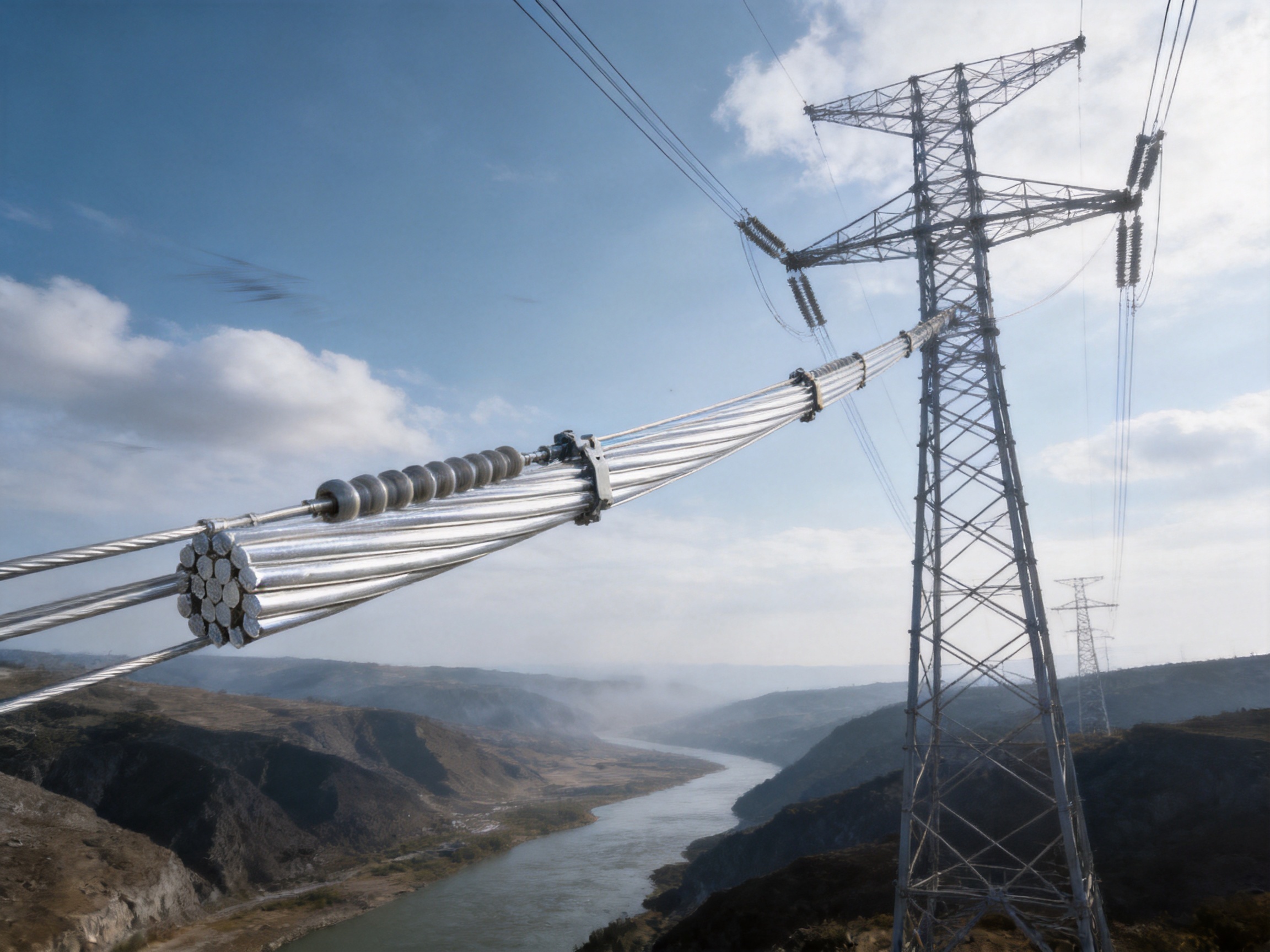
The principal application is overhead power transmission. In a transmission line, the conductor must carry current over long distances while remaining within required ground and phase clearances. The steel core helps control sag and supports the mechanical load between towers.
For long spans, the product can reduce the need for closely spaced support structures. This may be useful when a line crosses rivers, valleys, highways, railways, industrial sites, or environmentally sensitive areas. The final design must consider electrical clearance, tower strength, wind loading, ice loading, vibration, and construction access.
5.2 High-Tension Distribution
High-tension distribution lines require reliable operation under changing weather and load conditions. Reinforcing Steel Aluminum Strand helps keep conductors stable and taut, reducing the possibility of excessive sag. Its standardized range allows the designer to match the conductor to the required current and mechanical rating.
Distribution applications may include rural networks, industrial feeders, regional substations, and lines supplying large facilities. The selected conductor must be coordinated with poles, crossarms, insulators, clamps, fuse equipment, grounding systems, and protection settings.
5.3 Ground Wires and Shield Wires
The product may also be used as a ground wire or shield wire at the upper portion of a transmission structure. In this position, it helps protect phase conductors from direct lightning strikes and provides a path for lightning current toward the grounding system.
For this application, mechanical strength, grounding continuity, corrosion resistance, and compatibility with tower hardware are important. The project grounding design must confirm the required fault-current capacity and connection method.
5.4 Damping-Wire and Hardware Connections
In specialized hardware connection applications, the product is mainly employed as a damping wire in components such as damping-type end caps. These applications require reliable interaction between the conductor and the hardware. Correct diameter, strand construction, flexibility, and surface condition are essential for achieving secure connections and vibration control.
Accessories must be selected for the specific aluminum-steel construction. A suitable connector can provide low electrical resistance and adequate mechanical grip, while an unsuitable connector may cause local heating, oxidation, slippage, or wire damage.
6. Installation and Maintenance Recommendations
Proper installation is necessary to obtain the intended service life of the strand. The conductor should be handled with clean, suitable equipment and protected from sharp edges, impact, dragging, contamination, and excessive bending. Reels should be stored on stable surfaces and protected from standing water and mechanical damage.
6.1 Tension Stringing
Because of its steel core, the product can withstand relatively high stringing tension. However, the installation team must follow the approved stringing procedure and avoid exceeding the specified elastic or temporary tension limit. Excessive force can cause permanent elongation, damage the aluminum strands, or affect the final sag profile.
Stringing blocks and rollers must have a suitable diameter and surface condition. The conductor should not be pulled over abrasive or sharp surfaces. During installation, personnel should monitor for birdcaging, loosened wires, kinks, broken strands, and unusual surface marks.
6.2 Connector Compatibility
Compression connectors designed for aluminum-to-steel composite conductors should be used. The connector must match the conductor diameter, aluminum area, steel-core construction, and mechanical rating. Installation should follow the connector manufacturer’s recommended stripping, cleaning, inhibitor, die sequence, and compression procedures.
Connections are particularly important because they must perform both electrical and mechanical functions. Poor preparation may increase contact resistance, generate heat, reduce tensile holding strength, and accelerate corrosion. Where dissimilar metals are present, the connection design should address oxidation and galvanic effects.
6.3 Vibration Protection
Wind-induced vibration may occur where the conductor is exposed to continuous airflow, especially near suspension points. Dampers, armor rods, spacers, and other accessories should be selected according to span length, conductor type, wind conditions, and line configuration.
The product’s controlled stranding and fatigue-test performance support reliable operation, but accessories remain necessary where the line design identifies a vibration risk. Periodic inspection should check for broken wires near clamps, unusual wear, loosened hardware, or visible changes in conductor geometry.
6.4 Environmental Inspection
In coastal or industrial environments, inspections should focus on salt deposits, surface pitting, chemical contamination, corrosion near fittings, and damage to the galvanized steel core where it may be exposed. The aluminum surface generally provides good atmospheric resistance, but local damage can create vulnerable areas.
Inspection intervals should be determined by the importance of the line, environmental severity, operating history, and applicable maintenance standards. Infrared inspection may help identify abnormal heating at connections, while visual and mechanical checks can detect structural issues.
7. Why Manufacturing Strength Matters to Buyers
Conductor performance is influenced by more than the nominal cross-section printed on a specification sheet. Buyers should consider the consistency of the manufacturing process, the ability to maintain stable dimensions across the delivery length, the quality of the steel-core galvanizing, the reliability of stranding, and the completeness of inspection documentation.
A manufacturer with experience in power equipment can better understand how the conductor interacts with busbar systems, substations, transmission structures, wind-power equipment, and other electrical infrastructure. Jiangsu Wopeng Power Technology Co., Ltd. was founded in 2018 as a specialized high-tech enterprise focused on high- and low-voltage busbar systems and related power transmission solutions.
Its product portfolio includes 35 kV epoxy resin vacuum-cast tube busbars, low-voltage cast-resin busways, copper and aluminum tubular busbars, wind-power tube busbars, compact busbar systems, and sliding contact line systems. This broader experience provides a useful engineering foundation for customers purchasing conductors for substations, industrial facilities, renewable-energy projects, rail transit, and large commercial installations.
The company serves customers in more than 17 provinces and key industrial sectors. Its products are designed for high-current and critical operating conditions, where manufacturing repeatability, insulation performance, mechanical reliability, and inspection discipline are essential.
Wopeng’s modern production environment includes vacuum casting systems, CNC machining equipment, and automated assembly technologies. These capabilities support dimensional accuracy, controlled processing, and consistent production across different power-equipment categories. The company also applies strict quality-management procedures and uses standardized inspection processes to confirm product performance before delivery.
For customers requiring OEM cooperation, the manufacturer can support technical discussions concerning conductor construction, delivery length, packaging, documentation, application conditions, and integration with associated power equipment. The stated company contact details are Jiangsu Wopeng Power Technology Co., Ltd., No. 8, Yanjin Road, Chengxi Industrial Park, Shanyang Town, Baoying County, Yangzhou City, Jiangsu Province, China. The company can be contacted by telephone at +86-180 3625 3000 or by email at admin@wpbusbar.com.
8. Selection Guide for Project Engineers
The correct conductor should be selected through a complete electrical and mechanical review. The following factors should be considered before ordering.
8.1 Current Requirement
Determine the continuous and emergency current requirements of the line. The conductor’s aluminum cross-section, allowable operating temperature, ambient conditions, wind, solar radiation, and installation arrangement all influence ampacity. A conductor should not be selected only by comparing nominal area without reviewing thermal conditions.
8.2 Span and Sag
Evaluate the distance between supports, the required ground clearance, and the allowable sag. Longer spans or strict clearance requirements may favor a construction with a stronger steel core. Sag-tension calculations should include conductor weight, initial tension, creep, temperature, wind, and ice conditions.
8.3 Environmental Conditions
Review the minimum and maximum operating temperatures, wind speed, ice thickness, altitude, salt exposure, industrial pollution, ultraviolet exposure, and potential chemical contamination. The product has stated environmental test performance from -40°C to +80°C, a 30 mm ice coating load, salt-spray exposure, and UV aging. Nevertheless, the final specification should reflect the actual project environment.
8.4 Hardware and Accessories
Confirm that suspension clamps, tension clamps, connectors, dampers, spacers, armor rods, and grounding components are compatible with the conductor construction. The outside diameter and aluminum-steel arrangement must correspond to the accessory design. Hardware should provide both adequate mechanical holding strength and stable electrical contact.
8.5 Transportation and Delivery
The stated delivery length is generally less than 2,000 meters. Reel dimensions, total weight, transport route, storage conditions, and site handling capacity should be reviewed before production. Clear labeling and complete documentation help prevent mix-ups when multiple conductor sizes are delivered to the same project.
9. Comparison of Product Characteristics
| Characteristic | Reinforcing Steel Aluminum Strand | All-Aluminum Conductor | Steel-Only Wire |
|---|---|---|---|
| Primary conductive material | Aluminum outer strands | Aluminum strands | Steel |
| Mechanical reinforcement | Galvanized steel core | Limited compared with reinforced construction | Very high |
| Conductivity for power transmission | High and suitable for many transmission applications | High | Low for normal power transmission |
| Long-span capability | Strong suitability, depending on design | More limited for equivalent electrical size | Strong mechanically but electrically limited |
| Corrosion behavior | Aluminum surface and galvanized steel core provide protection | Generally good atmospheric resistance | Requires effective corrosion protection |
| Typical engineering balance | Combines electrical and mechanical performance | Emphasizes low weight and conductivity | Emphasizes mechanical strength |
| Common applications | Transmission, distribution, shield wires, damping hardware | Lines where mechanical loading is moderate | Grounding, support, and specialized mechanical uses |
The comparison demonstrates why a composite conductor is frequently selected for overhead networks. It is not intended to replace every conductor type. Instead, it provides a practical solution where electrical efficiency and mechanical strength must be considered together.
10. Frequently Asked Questions
Q1: What is the primary purpose of the steel core?
The steel core provides mechanical strength. It helps the conductor withstand installation tension, wind, ice, vibration, and the weight of long unsupported spans. The aluminum strands surrounding the core carry most of the electrical current.
Q2: Is the product suitable for long-span transmission lines?
Yes, it is designed for applications where mechanical strength is important, including long-span overhead transmission and high-tension distribution. The final suitability depends on the exact conductor construction, span length, tower design, environmental loading, and sag-tension calculation.
Q3: What standards apply to the product?
The supplied product information identifies GB1179-83 as the applicable standard. Customers requiring ASTM, IEC, or another national or international standard should confirm the required specification with the manufacturer before placing an order.
Q4: How does conductivity compare with pure aluminum?
The aluminum portion provides high conductivity, while the steel core contributes primarily to mechanical strength. The stated aluminum material conductivity is above 61 percent IACS under the specified conditions. Overall conductor performance depends on the aluminum-to-steel ratio and the exact construction.
Q5: Can the strand be used in coastal areas?
It can be considered for coastal environments because the aluminum outer layer offers good atmospheric corrosion resistance and the steel core is galvanized. The product information reports more than 95 percent tensile-strength retention after 5,000 hours of salt-spray testing. Coastal projects should still use suitable fittings and establish an appropriate inspection program.
Q6: What should be checked during installation?
Installation teams should check reel condition, conductor surface, stringing tension, bending radius, roller alignment, strand tightness, connector compatibility, and final sag. The conductor should not be dragged over rough ground or pulled across sharp edges.
Q7: Are special connectors required?
Yes. Compression connectors and other accessories must be suitable for aluminum-steel composite conductors. The connector must match the conductor diameter and construction and must be installed according to the approved procedure. Improper accessories can cause heating, slippage, oxidation, or mechanical failure.
Q8: What does the cross-section notation 10/2 mm² mean?
In a reinforced aluminum conductor designation, the first value generally refers to the nominal aluminum area and the second to the nominal steel-core area. The exact interpretation should be confirmed against the product drawing, standard designation, and manufacturer’s technical data.
Q9: How long are the delivered conductors?
The usual delivery length is less than 2,000 meters. Actual length may depend on the selected construction, customer requirements, reel capacity, transportation conditions, and production planning.
Q10: How can the appropriate product size be selected?
Selection should consider continuous current, emergency current, resistance, allowable temperature, span, sag, wind, ice, tower loading, short-circuit conditions, corrosion environment, fittings, and national standards. The manufacturer can provide technical clarification based on the project parameters.
Q11: Is the product used only in overhead transmission?
No. In addition to overhead transmission and distribution, it may be used for ground wires, shield wires, damping wires, and hardware connection applications such as damping-type end caps. The appropriate application depends on the required mechanical and electrical characteristics.
Q12: What manufacturing qualities should buyers prioritize?
Buyers should prioritize stable raw-material quality, accurate wire diameter, reliable galvanizing, controlled stranding pitch, secure pre-twisting, consistent final dimensions, verified resistance, tensile-strength testing, surface inspection, and traceable quality documentation.
11. Conclusion
Reinforcing Steel Aluminum Strand provides a balanced answer to the two central requirements of overhead power conductors: efficient current transmission and dependable mechanical support. Its aluminum strands deliver the primary conductive function, while the galvanized steel core improves tensile strength, span capability, sag control, and resistance to mechanical loading.
With nominal cross-sections from 10/2 mm² to 240/30 mm², multiple strand arrangements, standardized dimensions, controlled resistance, calculated tensile strength, and defined delivery lengths, the product supports systematic engineering selection. Its environmental test performance, controlled stranding, conductivity management, and fatigue evaluation further strengthen its suitability for demanding power infrastructure.
The manufacturing process is equally important. Electrical-grade aluminum, galvanized steel, controlled annealing, precision drawing, layered stranding, pre-twisting, dimensional inspection, mechanical testing, and traceable quality procedures contribute to consistent finished conductors. Wopeng’s broader experience in high- and low-voltage busbar systems, tubular busbars, wind-power equipment, cast-resin products, and sliding contact line systems provides additional engineering support for customers working on complex power projects.
Compared with all-aluminum conductors, the product offers greater mechanical strength and improved long-span capability. Compared with steel-only wires, it provides a much more useful conductive structure. This combination makes it suitable for transmission lines, high-tension distribution, grounding and shielding, and specialized damping hardware applications.
For the best result, the conductor should be specified together with its fittings, operating environment, installation method, and line design. When selected and installed correctly, Reinforcing Steel Aluminum Strand can contribute to stable clearances, reliable electrical performance, improved structural security, and long-term service in modern power networks.
References
GB1179-83, Standard Specification for Stranded Aluminum and Aluminum-Alloy Conductors for Overhead Electrical Transmission.
International Annealed Copper Standard, conductivity reference for electrical conductor materials.
IEC 61089, Round Wire Concentric Lay Overhead Electrical Stranded Conductors.
ASTM B399, Standard Specification for Concentric-Lay-Stranded Aluminum-Alloy Conductors.
Engineering principles for overhead conductor sag, tension, vibration, thermal loading, and environmental design.
Manufacturer-provided technical data for Reinforcing Steel Aluminum Strand, including product construction, dimensional range, resistance, tensile strength, weight, environmental testing, and delivery requirements.
Product: Reinforcing Steel Aluminum Strand




-
 +86-180 3625 3000
-
 admin@wpbusbar.com
-
 No. 8, Yanjin Road, Chengxi Industrial Park, Shanyang Town, Baoying County, Yangzhou City, Jiangsu Province, China
Copyright © Jiangsu Wopeng Power Technology Co., Ltd.
All Rights Reserved.
 Custom Insulated Bus Bar Manufacturer
Tubular Busbar System Factory
Custom Insulated Bus Bar Manufacturer
Tubular Busbar System Factory